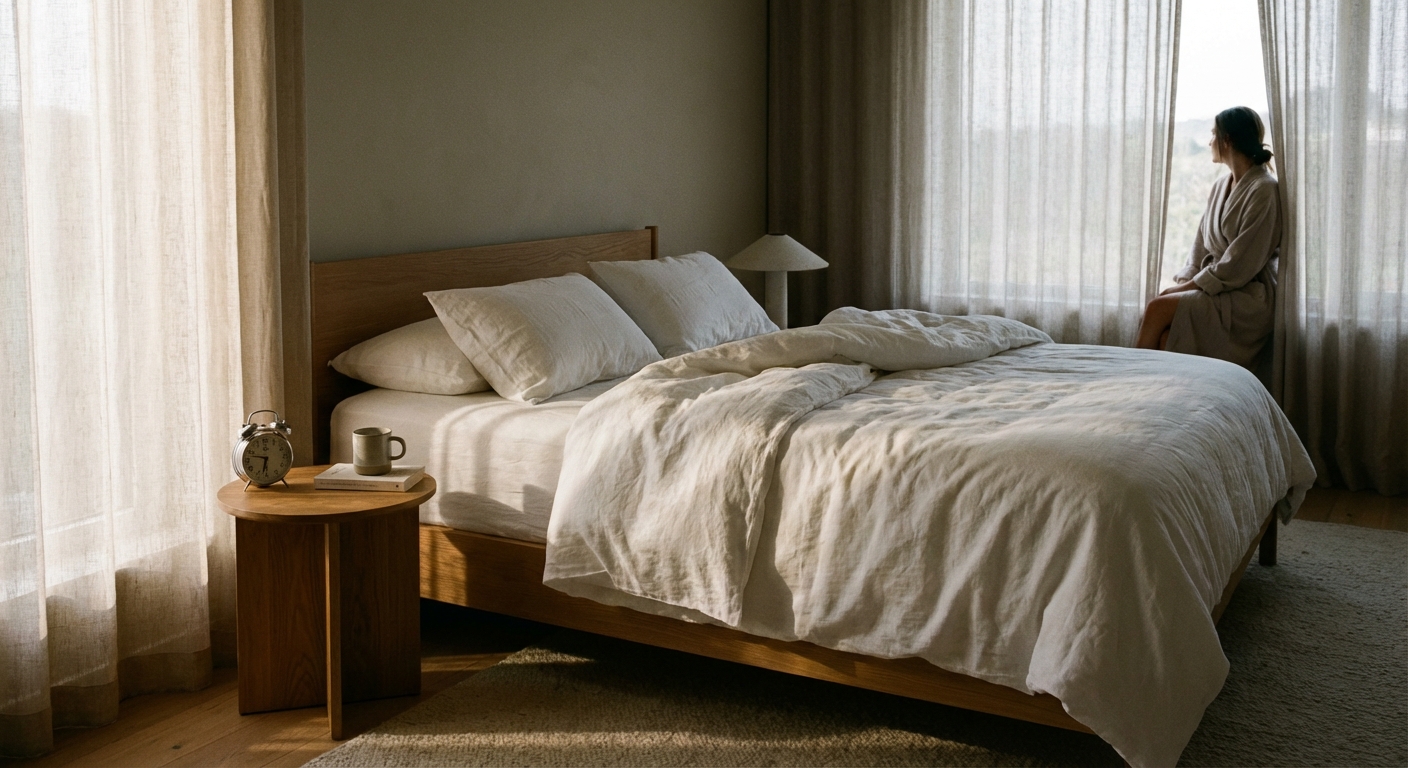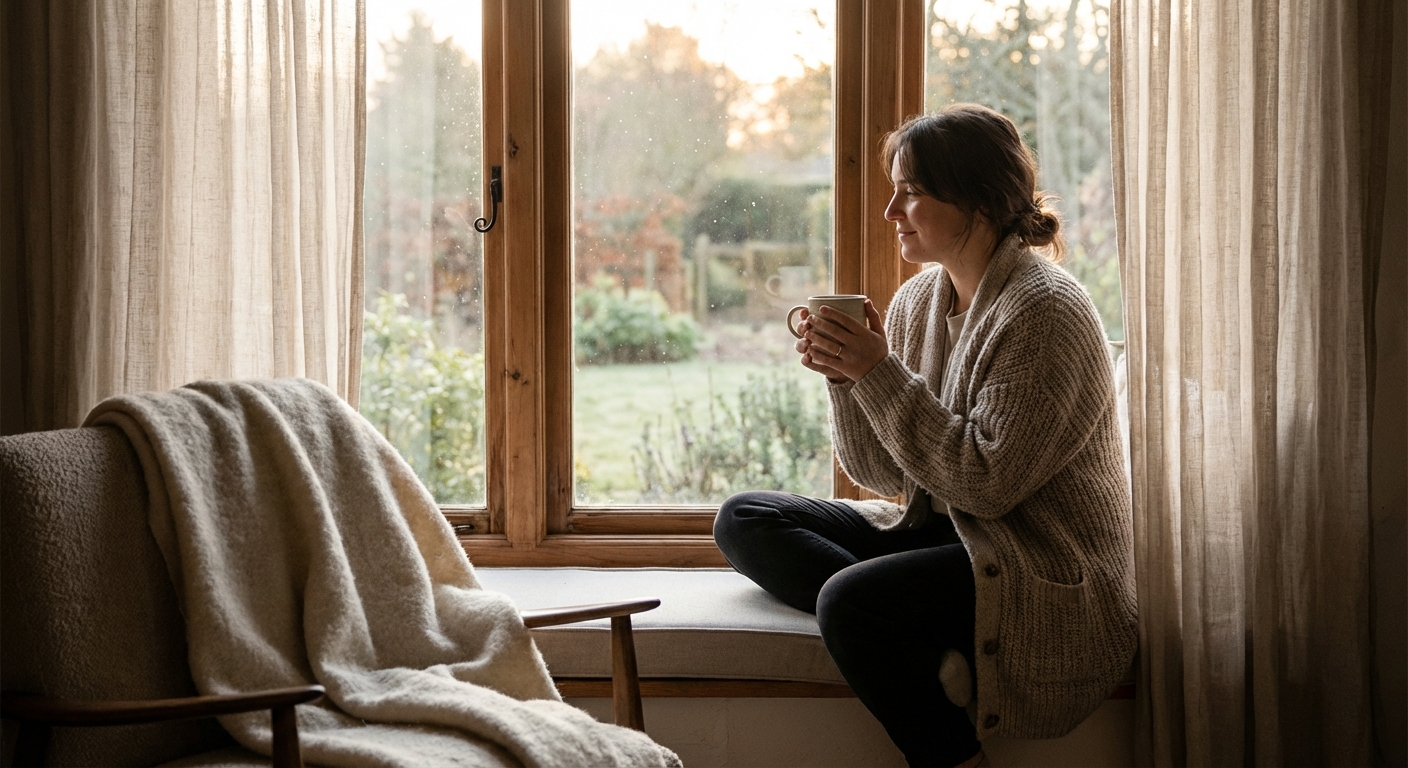
There’s a moment that happens when you live alone. It’s usually in the evening, after work, when you walk into your space. No one asks how your day was. No one needs anything from you. No one is there.
For some people, that moment feels like loneliness. For others, it feels like freedom. The difference isn’t the moment; it’s how you’ve learned to meet it.
The numbers tell a story that would have shocked our grandparents. In 1960, only 13% of American households were solo dwellers. Today, it’s nearly 30% and rising. In cities like Seattle, Stockholm, and San Francisco, it’s over 40%. This isn’t a crisis of connection. It’s a revolution of choice. For the first time in history, large numbers of people have the economic freedom to live alone. And many are discovering they prefer it.
Not because they hate people. Not because they’re giving up on partnership. But because they’ve learned something our culture is still catching up to: living alone and being lonely are not the same thing.
What Solo Living Actually Is
Our language around solitude is broken. We say someone lives “alone” like it’s a condition to be fixed. We ask “Are you still living alone?” with pity in our voices.
But living alone isn’t the absence of something. It’s the presence of something else. It’s sovereignty over your space, where every choice from furniture placement to dinner timing is yours. It’s intimacy with yourself, where you meet who you are without the buffer of another person’s presence. It’s intentional connection, where social time becomes a choice rather than a default. And it’s a laboratory for becoming, where you can try on new interests and new versions of yourself without an audience.
Eric Klinenberg’s research in “Going Solo” found that people who live alone often have richer social lives than those who don’t. They’re more likely to visit friends, attend public gatherings, and volunteer. The solitude doesn’t isolate them; it makes them more intentional about the connections they choose.

Solitude vs. Isolation
Let’s address the loneliness question directly. Yes, living alone can be lonely. So can living with people. The question isn’t whether loneliness appears; it’s how you meet it when it does.
Solitude is chosen. It’s regenerative. You’re alone because you want to be, and it fills you up. Isolation is imposed. It’s depleting. You’re alone because you feel you have no other option, and it empties you out. The same situation, Friday night at home, can be solitude or isolation depending on whether you’re there by choice and what you’re doing with the time.
Building connection while living solo requires intentionality. Quality over quantity: you might see people less frequently, but more meaningfully. Scheduled social time sounds unromantic but creates depth: weekly dinner with friends, monthly gatherings, standing coffee dates. Community outside your home through regular spots where you’re a familiar face. And hosting, inviting people into your space and creating gathering, which claims your home as a place of connection rather than isolation.
Adult friendships require more effort than the built-in proximity of college or shared living. Living alone makes that effort visible, which paradoxically often makes people better at maintaining the relationships that matter.
Creating Your Sanctuary
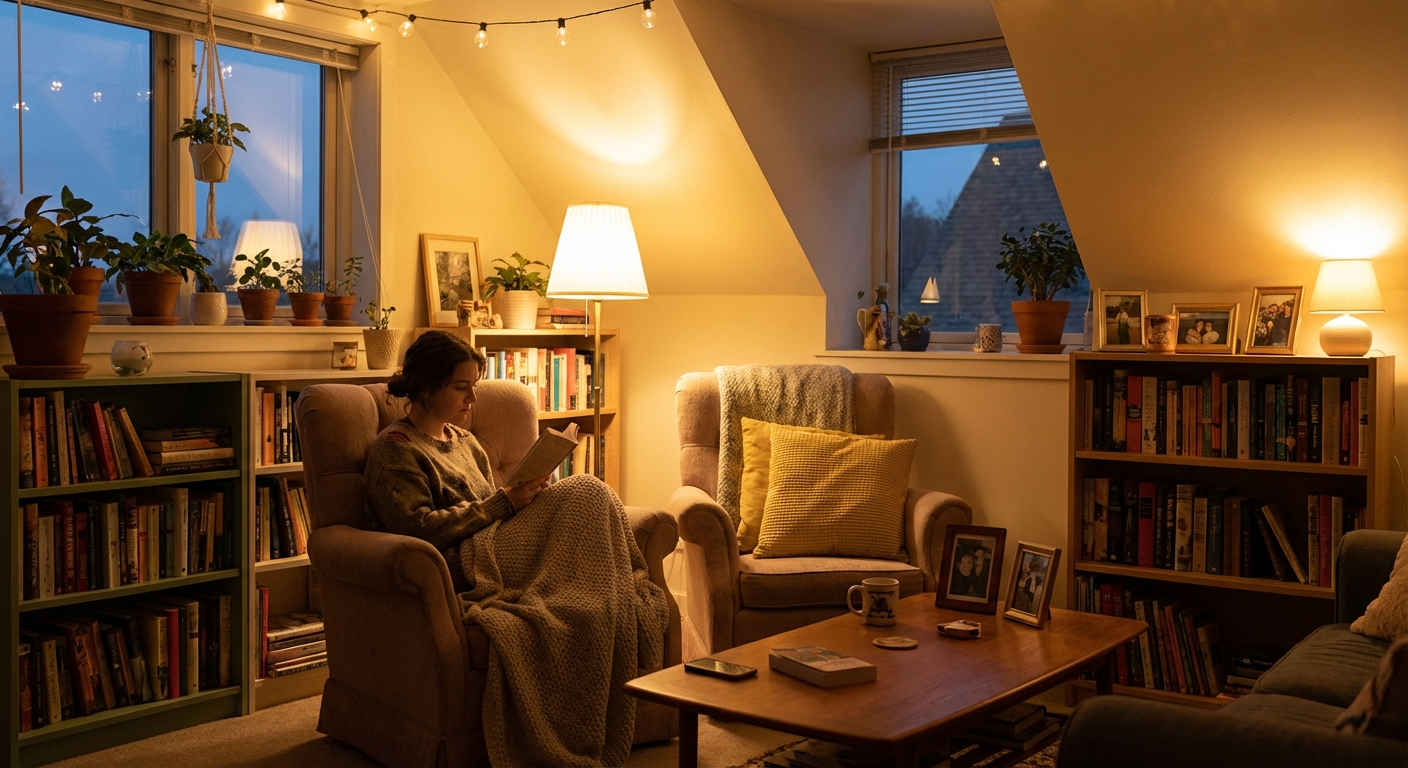
When you live alone, your space is entirely yours to shape. Your home reflects your inner world, and solo living gives you complete control over that reflection.
Make it yours, not Instagram’s. Your space should reflect you, not a trend. The only criterion: does this space make you feel at home in your own life? Create zones even in small spaces: a comfort zone where you rest without effort, a creation zone where you work on projects, a connection zone where you host the people you love.
The daily rhythms matter more when no one else’s schedule structures your time. Morning rituals anchor your day when no one forces you awake. Evening transitions mark the shift from public to private self. A coming-home ritual, changing clothes, lighting a candle, making tea, can transform that potentially lonely moment into something restorative.
When Solo Living Works
Living alone isn’t better or worse than living with others. It’s different. Consider it if you feel like you’re performing a version of yourself for roommates or partners, if you crave space to think your own thoughts without interruption, if you want to design a life that’s completely yours, or if you value autonomy enough to invest in it.
Reconsider if your primary motivation is escape from a current situation that should be addressed directly, if you struggle with severe isolation or depression that needs attention first, or if financial stress would outweigh the freedom benefits.
Many people in relationships choose to live separately. LAT relationships, Living Apart Together, are growing. Autonomy and intimacy, both fully expressed. You nurture the relationship and yourself without compromise.
Your Invitation
If you’re curious about solo living, try it. If you’re in it and struggling, know that many people are learning the same skills of self-companionship and intentional connection. If you’re in it and thriving, enjoy this season of sovereignty.
Solitude isn’t loneliness. It’s the space where you meet yourself most honestly. And that meeting, uncomfortable as it sometimes is, changes everything about how you show up in the world and in your relationships.
Living alone is choosing yourself, not escaping others.
Sources: Eric Klinenberg “Going Solo” research, LAT (Living Apart Together) relationship studies, peer-reviewed research on solitude and social connection.