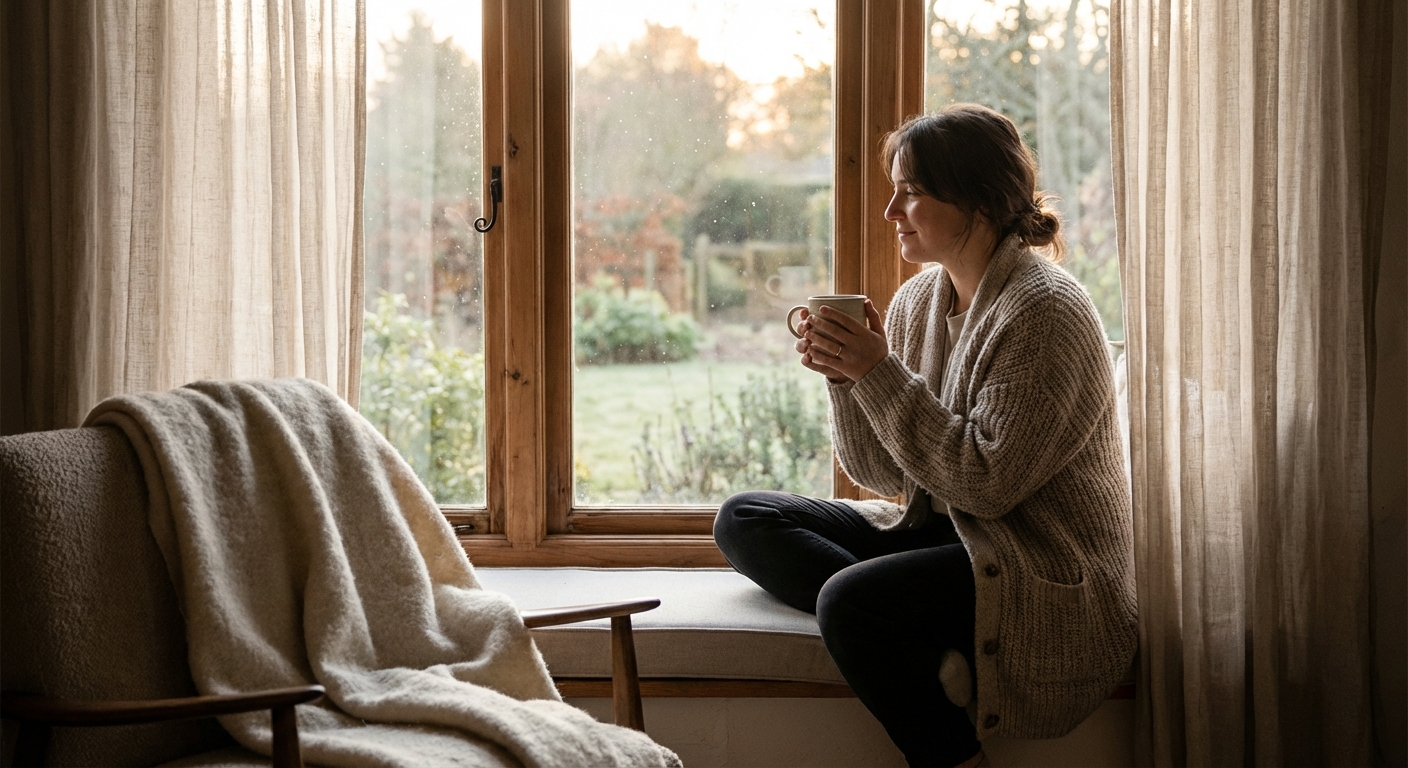
Every January, we’re bombarded with the same message: new year, new you. Set bigger goals. Wake up earlier. Achieve more. Hustle harder. The implication is clear: your current self, your current pace, your current life isn’t enough. You need to do more to be worth more.
But something interesting is happening this year. When researchers surveyed people about their 2026 goals, the data revealed a quiet revolution. A full 68% of respondents said they want to slow down. Not optimize their morning routines for peak productivity. Not squeeze more into already-packed schedules. Slow down.
This isn’t laziness. It isn’t giving up. It’s a collective recognition that the cult of constant productivity might be the problem we’ve been solving wrong all along.
The Exhaustion Underneath the Ambition
For decades, we’ve treated rest as the enemy of achievement. Taking breaks meant falling behind. Saying no meant missing opportunities. The successful people, we were told, worked while others slept, hustled while others rested, pushed while others paused.
What we weren’t told was the cost. Burnout rates have climbed steadily, with the World Health Organization officially recognizing burnout as an occupational phenomenon. Mental health concerns among working adults have surged. And despite all our productivity tools, apps, and hacks, surveys consistently show that people feel busier and more overwhelmed than ever before, while reporting less satisfaction with how they spend their time.
The 68% who want to slow down aren’t lazy. They’re exhausted. They’ve tried the hustle culture prescription and found it wanting. They’ve achieved goals only to discover achievement didn’t deliver the contentment it promised. They’re not giving up on meaningful lives. They’re questioning whether a meaningful life requires quite so much frantic motion.
Research from psychologist Tim Kasser at Knox College has consistently found that people who prioritize time over money, who choose flexibility and presence over maximum earning or achievement, report higher levels of well-being and life satisfaction. The happiest people, it turns out, aren’t the most productive. They’re the ones who feel they have enough time.
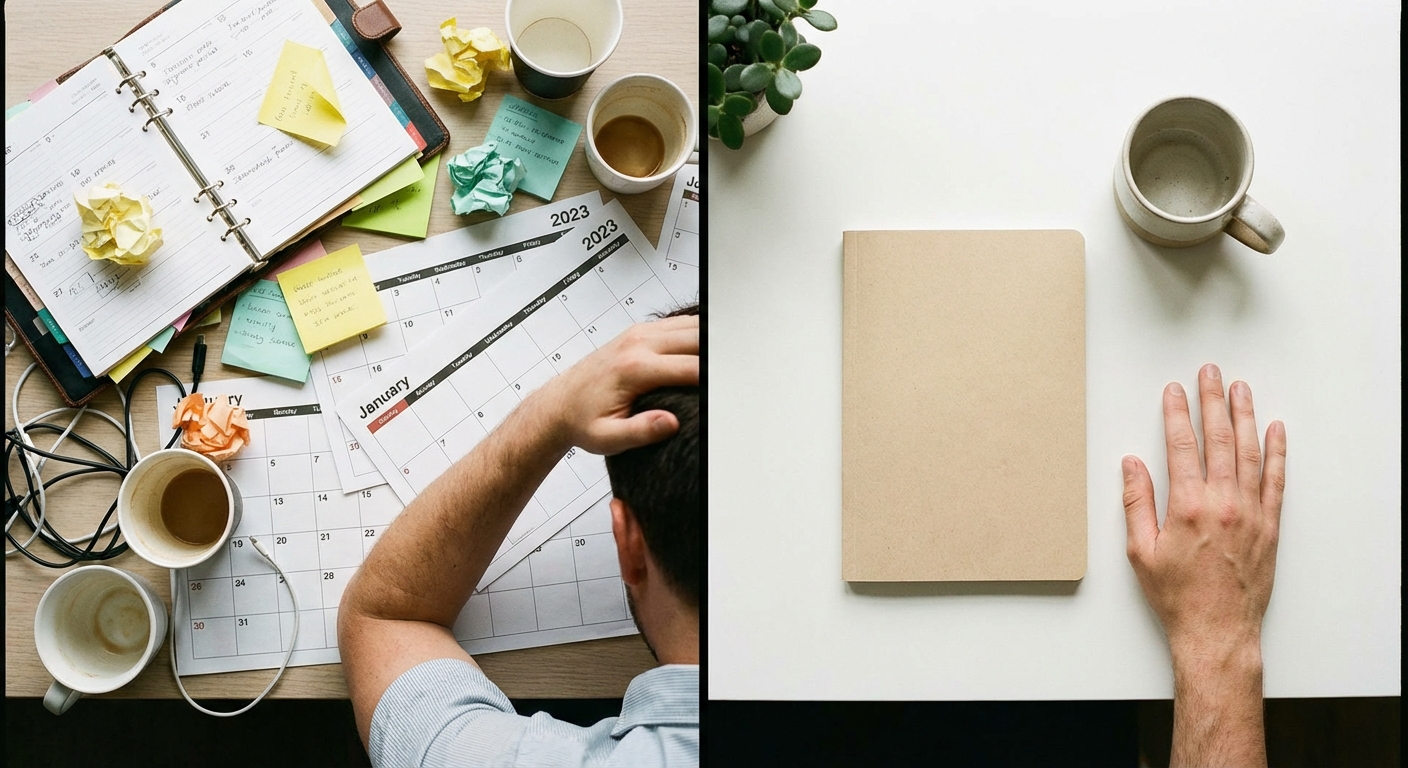
The Neuroscience of Slowing Down
Your brain wasn’t designed for constant stimulation and relentless achievement. It was designed for cycles, periods of focused attention followed by periods of rest and consolidation. When we deny it rest, we don’t increase productivity. We decrease it.
Neuroscientist Mary Helen Immordino-Yang at USC has studied what happens in the brain during downtime, those moments of daydreaming, reflection, and apparent “doing nothing.” Far from being wasted time, these moments activate the default mode network, a brain system crucial for processing experiences, consolidating memories, developing self-understanding, and generating creative insights.
When you’re constantly busy, constantly consuming, constantly producing, this network never gets its turn. You might check more boxes, but you lose the capacity to reflect on whether those boxes matter. You might achieve more, but you struggle to feel the achievement. The brain needs slowness not as a reward for productivity, but as an essential component of how it functions.
The constant connectivity of modern life makes this worse. Your phone buzzes with notifications designed to hijack your attention. Social media feeds endless stimulation. Even moments of waiting, which once provided natural mental breaks, now get filled with scrolling. We’ve eliminated boredom from our lives and accidentally eliminated the restorative pauses that came with it.
What Slow Living Actually Looks Like
Slow living isn’t about doing everything at a glacial pace or abandoning your ambitions. It’s about intentionality, about choosing what deserves your time and attention rather than letting external demands dictate your days.
In practice, this might mean fewer commitments held more deeply. It might mean mornings without immediately reaching for your phone. It might mean meals eaten sitting down, without screens, tasting the food instead of consuming it absently. It might mean conversations that aren’t squeezed between other obligations, but given the space to unfold.
Carl Honoré, author of In Praise of Slowness and one of the early voices in the slow movement, distinguishes between doing things slowly and doing things at the right speed. Some things, creative work, deep relationships, genuine rest, can only happen slowly. Other things can be done efficiently without cost. The skill is knowing the difference.
The 38% of survey respondents who said they want to put less pressure on themselves this year are onto something important. Pressure assumes that without it, you would do nothing worthwhile. But most people, given genuine rest, naturally move toward activities that matter to them. The pressure isn’t what creates meaning; often it’s what prevents us from feeling it.
The Financial Anxiety Factor
We can’t discuss slowing down without acknowledging what makes it complicated. The same survey found that 53% of people feel they don’t have the budget to pursue ambitious resolutions. Financial stress keeps many people on a treadmill they’d rather step off.
This is real, and pretending otherwise would be dishonest. Slow living isn’t equally accessible to everyone. Someone working multiple jobs to pay rent doesn’t have the same choices as someone with financial security. The invitation to slow down can feel like mockery when your circumstances demand constant hustle just to survive.
But there’s a distinction worth making between external demands and internal ones. Some people have to work long hours for economic survival. Others work long hours from internalized beliefs about productivity and worth, beliefs that might not serve them. The first is a material problem requiring material solutions. The second is a mindset problem that slowing down can actually address.
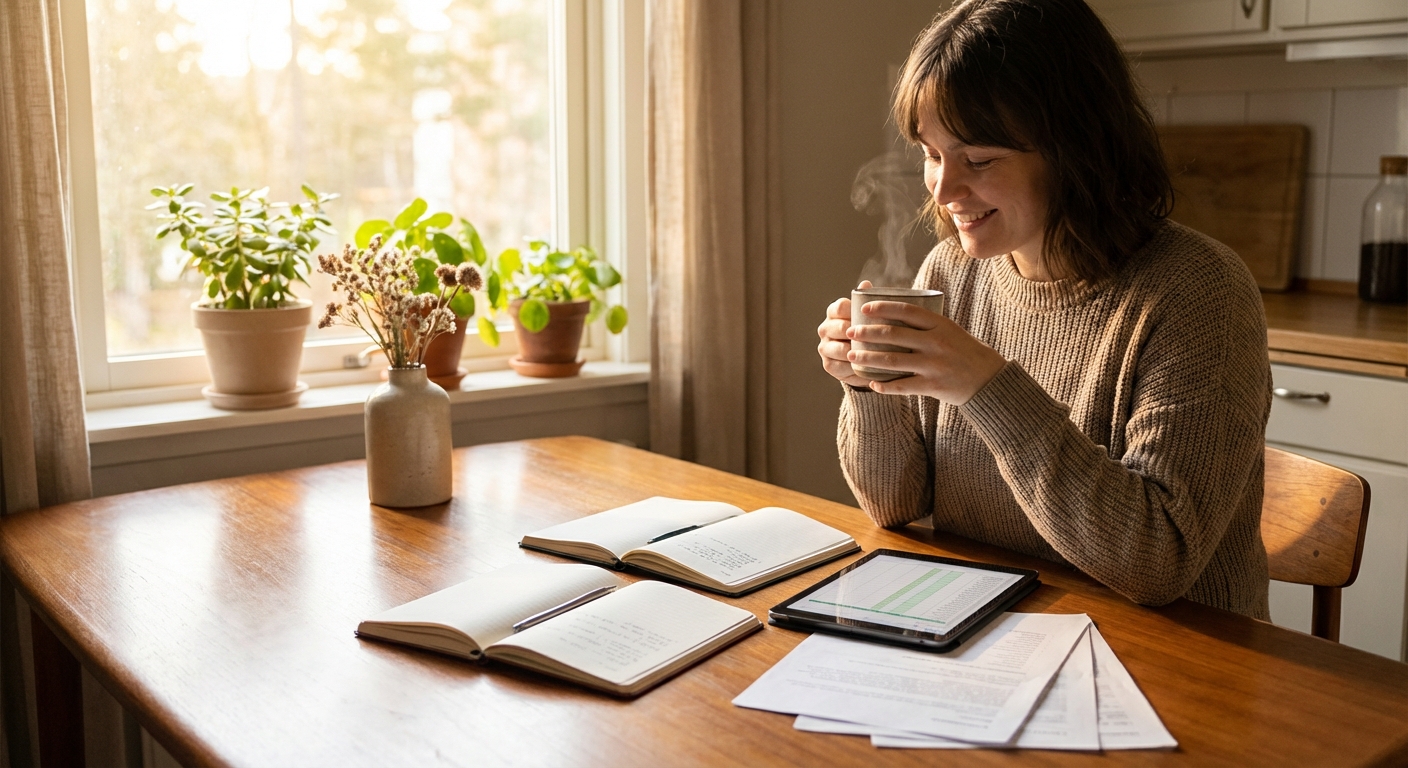
For those with some flexibility, even small changes matter. A slower morning before the demands begin. A protected hour in the evening. A weekend day without scheduled productivity. These aren’t privileges of the wealthy; they’re choices available to many who haven’t considered making them because hustle culture made them feel guilty for wanting to.
Digital Detox as Gateway
It’s not surprising that reducing screen time emerged as a top resolution, with 45% of people wanting less digital engagement. Our devices are one of the primary drivers of the acceleration we’re trying to escape.
The average person checks their phone dozens of times per day, each check fragmenting attention and pulling us from presence. Social media platforms are engineered to maximize engagement, which means maximizing time spent and emotions triggered. The result is that even our leisure time feels exhausting, our rest interrupted by algorithmic demands for attention.
A digital detox isn’t about becoming a Luddite. It’s about reclaiming agency over your attention. When you spend an hour on social media, you’re not choosing to spend that hour. The platform is capturing it. When you reach for your phone every time you’re bored, you’re not making a decision. You’re following a conditioned response.
Slowing down almost requires some version of this reclamation. The practices of slow living, presence, reflection, deep engagement with one activity at a time, are nearly impossible when a device in your pocket constantly beckons. The 17% who plan to delete social media entirely might be onto the most radical slow-living strategy available.
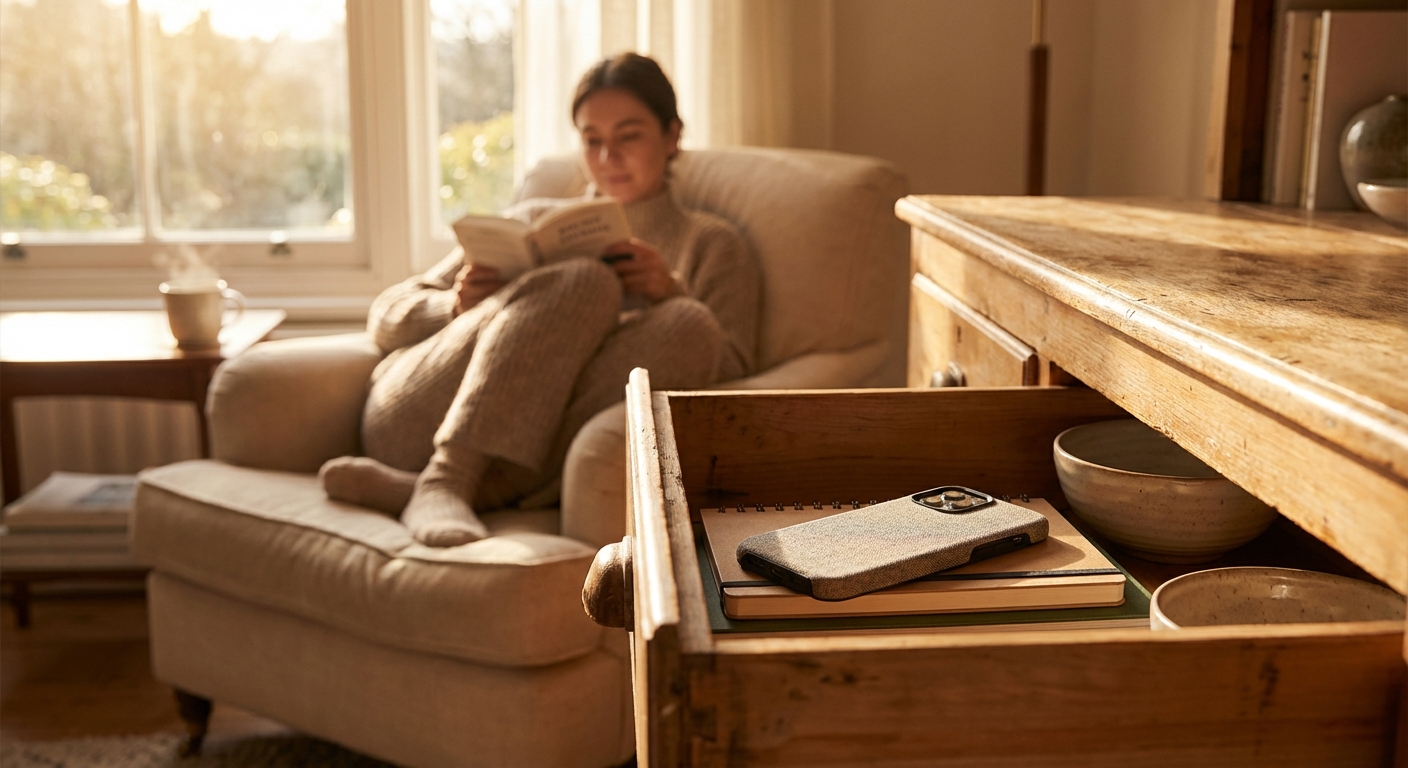
Starting Your Slow Revolution
If you’re drawn to the idea of slowing down but aren’t sure where to begin, start smaller than you think necessary. This isn’t another self-improvement project to optimize. It’s an unlearning, a releasing of the belief that you must constantly earn your worthiness through productivity.
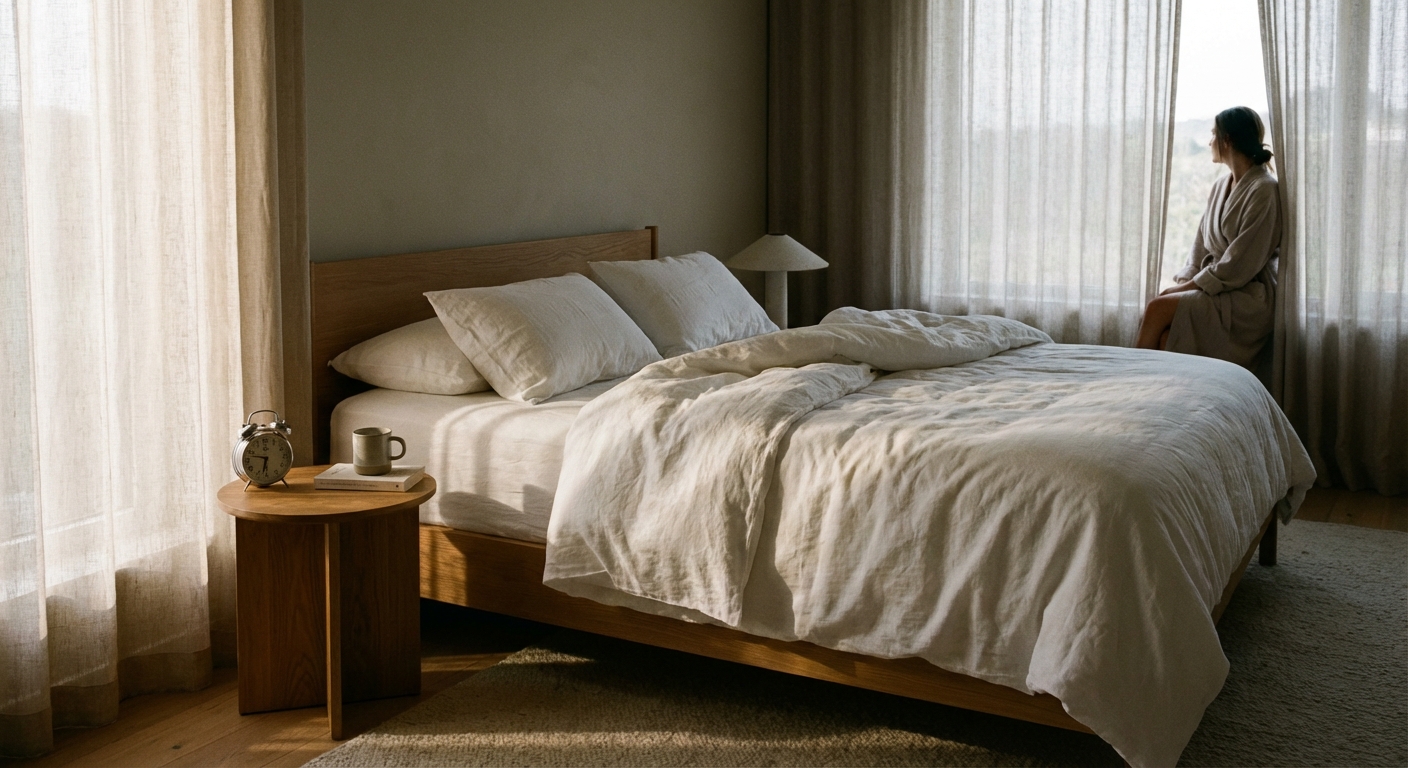
Begin with mornings. The first hour of your day sets the tone. What if that hour belonged entirely to you? Not to email, not to news, not to social media’s demands. Just you, moving at whatever pace feels right, easing into consciousness before the world starts pulling at you.
Protect transition times. The moments between activities, driving, walking between meetings, waiting in line, don’t need to be filled. These are natural pauses your brain craves. Let them be empty. Let yourself be bored. Notice what arises in the space.
Practice single-tasking. Choose one activity and give it your full attention. Eat without screens. Walk without podcasts. Have a conversation without your phone on the table. Notice how strange this feels at first, and notice how it begins to feel nourishing.
Question your “have tos.” Many of our obligations are choices we’ve forgotten we made. Before automatically saying yes to the next demand on your time, ask whether this serves your actual priorities or just fills space in a schedule that might be better left open.
Your Invitation
The permission to slow down doesn’t come from outside. No one is going to tell you it’s okay to do less, to achieve less, to want less. The culture profits from your constant striving. Advertisers need you to feel inadequate. Employers need you to prioritize work above rest. Social media needs you scrolling through other people’s curated productivity.
You have to give yourself permission. And that might be the hardest resolution of all, because it requires believing that you’re enough without the constant proof of achievement.
The 68% who want to slow down are responding to something their bodies and minds have been telling them for years. The exhaustion isn’t a sign of weakness. It’s wisdom. The desire for less isn’t giving up. It’s growing up.
Your worth isn’t measured in output. Your life isn’t a productivity optimization problem. And sometimes the most revolutionary thing you can do is nothing at all, to simply exist, to simply rest, to simply be.
That’s not laziness. That’s sanity. And maybe, in 2026, it’s finally becoming a trend.