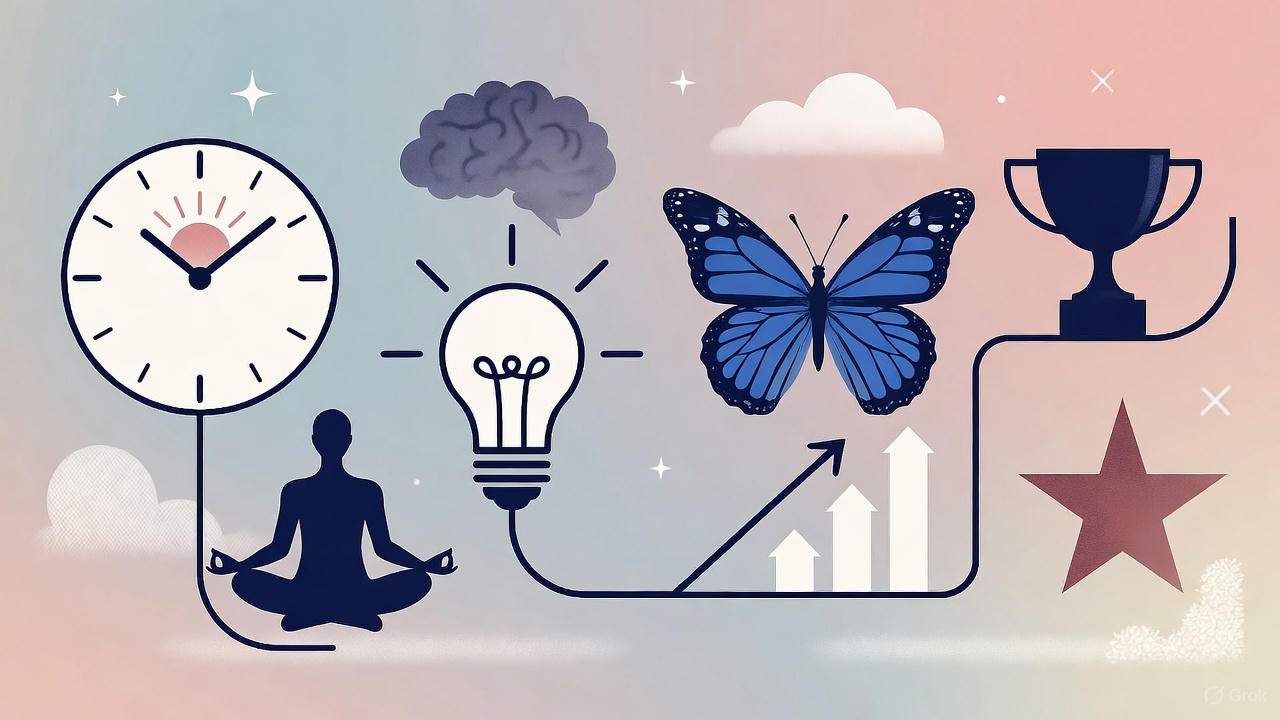
You used to be a morning person. At least, you think you were. But somewhere around November, hitting snooze became a lifestyle choice, and getting through your afternoon feels like wading through wet cement. Your motivation hasn’t vanished exactly, it’s more like it’s hibernating somewhere you can’t reach.
Here’s the thing: you’re not imagining it. The winter energy slump isn’t weakness, laziness, or a character flaw. It’s biology responding to environmental signals that humans have been navigating for thousands of years. Understanding what’s actually happening in your body during these months can help you stop fighting yourself and start working with your natural rhythms instead.
What’s Really Happening in Your Body
The simplest explanation is also the truest: less light means less energy. But the mechanism is more interesting than it sounds. Your body’s internal clock, the circadian rhythm that governs everything from hormone release to body temperature, takes its primary cue from light exposure. When winter arrives and daylight shrinks to a few precious hours, your brain receives a powerful signal to conserve energy and prepare for scarcity.
Melatonin, the hormone that makes you sleepy, typically stays suppressed during daylight and rises as darkness falls. In winter, your melatonin levels remain elevated longer into the morning and start climbing earlier in the afternoon. You’re essentially walking around with trace amounts of sleep hormone in your system that wouldn’t be there in June. No wonder 3 PM feels like a reasonable bedtime.
Serotonin adds another layer to this puzzle. This neurotransmitter, often associated with mood regulation, also plays a crucial role in energy and motivation. Research from the Centre for Addiction and Mental Health found that serotonin transporter binding, which affects how much serotonin is available in your brain, fluctuates seasonally. In winter, less serotonin is available for use, contributing to that flat, unmotivated feeling that makes even enjoyable activities feel like effort.
The vitamin D connection deserves mention too, though it’s often oversimplified. Your skin produces vitamin D when exposed to UVB rays, which are scarce or absent in winter depending on your latitude. While vitamin D supplementation has become almost reflexive winter advice, the research on its energy-boosting effects is more nuanced than supplement marketing suggests. It matters, but it’s one piece of a larger puzzle.
Why Fighting Your Biology Backfires
The instinct when energy drops is to push harder. More coffee, earlier alarms, packed schedules to force productivity. This approach has a certain logic to it, the logic of treating your body like a machine that just needs better fuel or more discipline.
But your body isn’t a machine. It’s an adaptive system that evolved to respond to environmental cues by adjusting energy expenditure. When you override those signals without addressing the underlying causes, you’re essentially running a deficit that compounds over time. The result is often what researchers call “social jet lag,” a mismatch between your biological rhythms and your scheduled life that leaves you perpetually catching up.
Dr. Till Roenneberg, who studies chronobiology at Ludwig Maximilian University of Munich, has found that this mismatch correlates with everything from increased body mass to higher rates of depression. You can muscle through a bad day, but muscling through an entire season creates stress that affects your immune function, cognitive performance, and emotional resilience.
The most productive people you know aren’t immune to seasonal energy shifts. They’ve just learned to work with them rather than against them. That might mean accepting that winter mornings require different strategies than summer mornings, or that scheduling creative work in your peak hours matters more when those hours are limited.
Light as Medicine
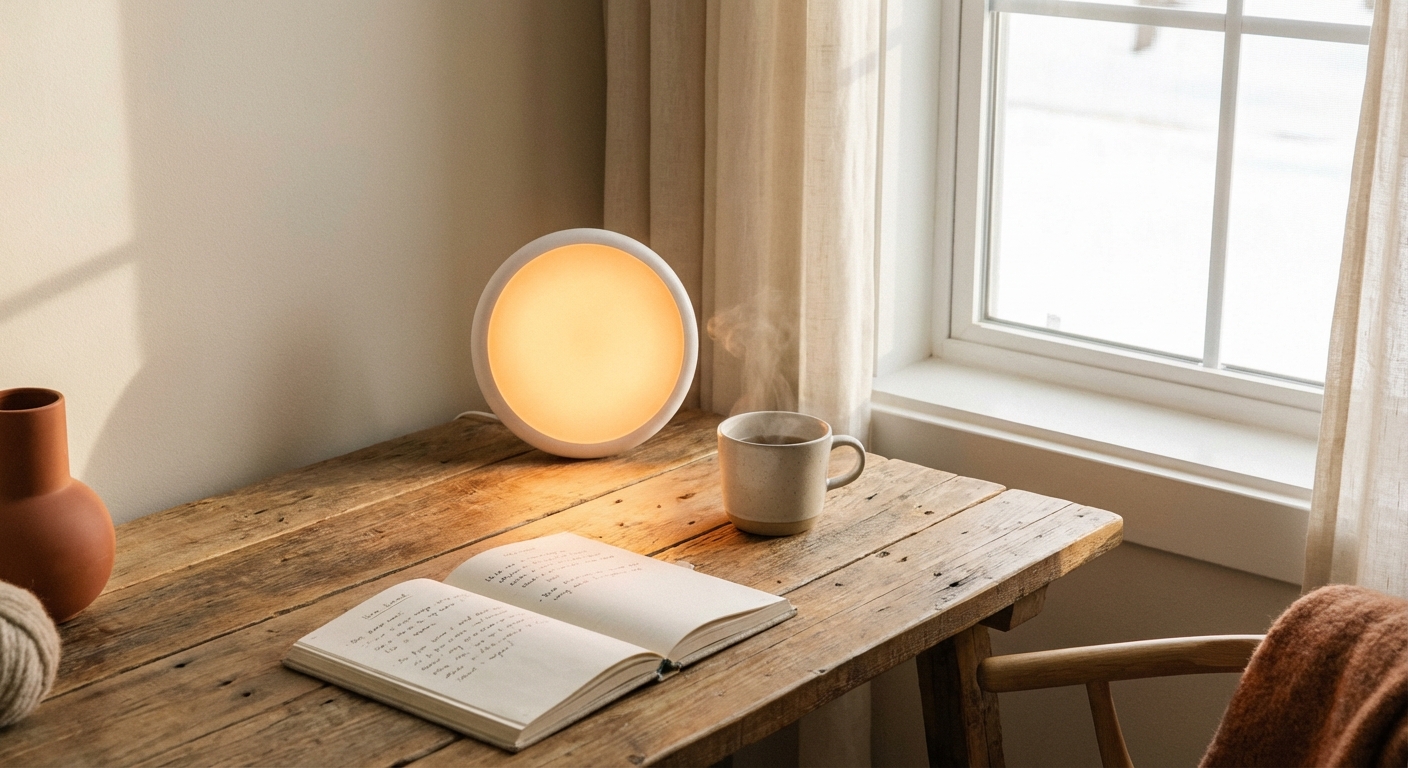
If reduced light exposure drives so much of winter’s energy drain, it makes sense that strategic light exposure would help. The research here is actually quite robust. Light therapy, using a device that produces 10,000 lux of light for 20-30 minutes each morning, has been shown to improve energy, mood, and sleep quality in multiple studies.
The timing matters enormously. Light exposure in the first hour after waking helps suppress melatonin and advance your circadian rhythm, making you more alert in the morning and appropriately tired at night. Light exposure in the evening can have the opposite effect, delaying your sleep signals and making mornings harder. This is why experts recommend avoiding bright screens before bed, though the intensity of most devices is lower than what’s needed for significant circadian disruption.
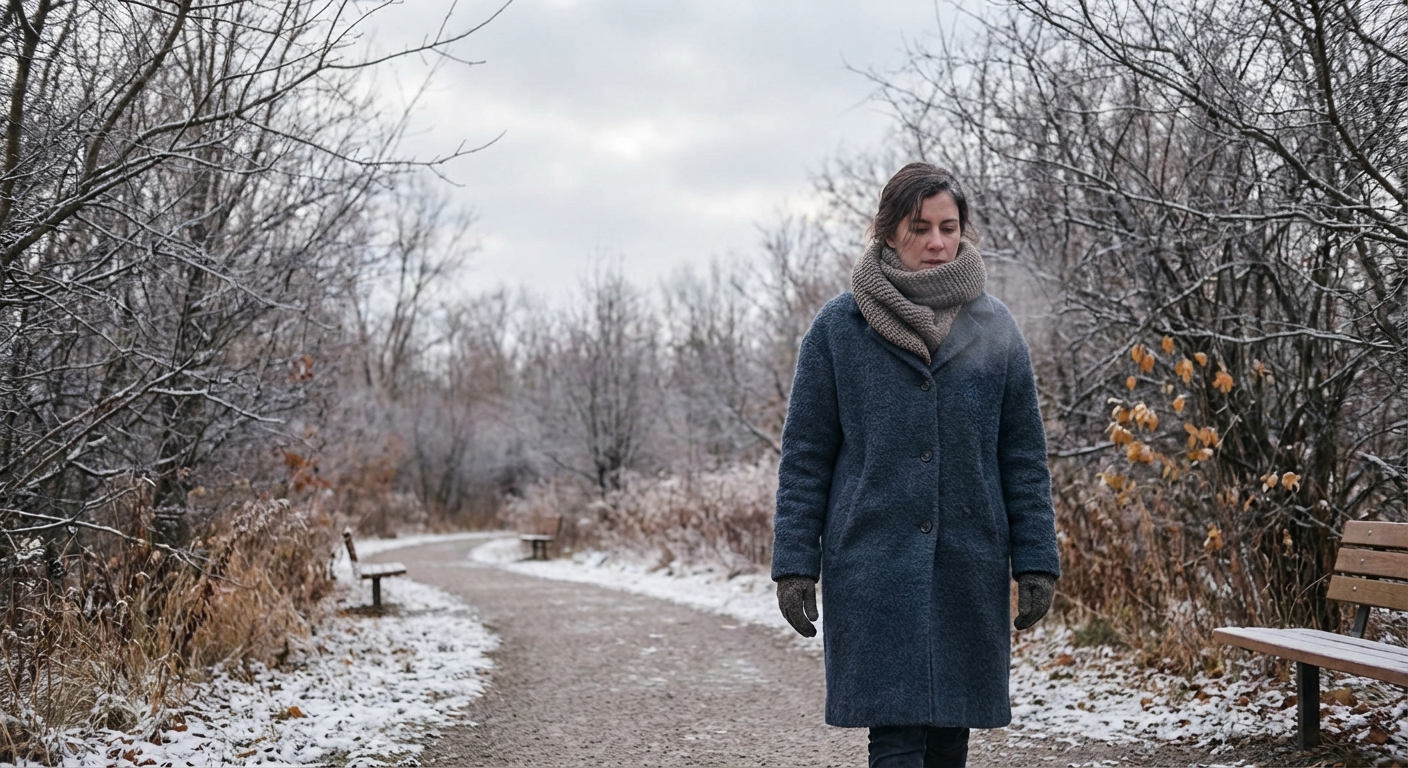
Getting outside, even on cloudy days, provides more light exposure than most indoor environments. A overcast winter day still offers around 1,000 to 10,000 lux, while a typical office provides 300-500 lux. A 20-minute morning walk might feel like the last thing you want to do when it’s cold and grey, but it delivers light signals your brain desperately needs.
If a light therapy box feels too clinical, consider restructuring your environment. Working near windows, keeping blinds open during daylight hours, and adding brighter bulbs to your morning spaces can all nudge your light exposure upward without requiring a dedicated practice.
Movement That Matches the Season
Exercise recommendations often ignore seasonality. The advice to maintain your summer workout routine through winter assumes your body doesn’t know what month it is. But your energy systems, recovery capacity, and even injury risk shift with the seasons. Honoring those shifts doesn’t mean abandoning movement, it means adapting it.
Lower-intensity, consistent movement often works better in winter than high-intensity sporadic workouts. A daily 30-minute walk might serve your energy better than three intense gym sessions you have to drag yourself to. The goal isn’t peak fitness; it’s maintaining the movement-to-mood connection that keeps your energy floor from dropping too low.
Timing your movement can amplify its effects. Morning exercise, particularly outdoors, combines the benefits of light exposure with the mood-regulating effects of physical activity. If mornings are impossible, even a brief afternoon walk during daylight can interrupt the slump that typically hits around 2-3 PM.
The social dimension of exercise matters more in winter too. Research on motivation consistently shows that social accountability increases consistency, and consistency matters more than intensity for energy maintenance. A standing walking date with a friend, a winter hiking group, or even a virtual workout partner can provide the external motivation that internal drive struggles to generate when serotonin is low.
Eating for Energy, Not Comfort
Winter triggers powerful cravings for carbohydrate-heavy comfort foods, and there’s a biological reason for this. Carbohydrates increase serotonin production, so your brain is essentially self-medicating its neurotransmitter deficit with pasta and bread. The problem isn’t that this instinct is wrong; it’s that modern refined carbohydrates create energy spikes and crashes that leave you worse off than before.
The solution isn’t to white-knuckle through cravings or restrict yourself into misery. It’s to work with the craving while upgrading the execution. Complex carbohydrates, those found in whole grains, legumes, and starchy vegetables, provide the serotonin boost without the blood sugar rollercoaster. Oatmeal with berries and nuts scratches the same itch as a muffin while providing sustained energy instead of a crash.
Protein at breakfast makes a measurable difference in afternoon energy. When researchers at the University of Missouri compared high-protein breakfasts to high-carb breakfasts, the protein group showed better blood sugar control and reduced evening snacking. You don’t need to become a breakfast bodybuilder; eggs, Greek yogurt, or even last night’s leftovers can anchor your morning in a way that toast alone cannot.
Hydration often gets overlooked in winter because you don’t feel as thirsty as you do in summer heat. But heated indoor air is surprisingly dehydrating, and even mild dehydration can manifest as fatigue, difficulty concentrating, and mood dips. Keeping water visible and accessible, or switching to herbal teas if cold water doesn’t appeal, can address an energy drain you might not realize you have.
Protecting Your Sleep Architecture
It’s tempting to sleep more in winter, and some increase might be appropriate. Research suggests humans may have a biological tendency toward slightly longer sleep in winter months, and fighting this too hard can backfire. But there’s a difference between adequate sleep and oversleeping, which can actually increase fatigue and worsen mood.
The key is protecting your sleep quality, not just quantity. Your bedroom should be dark enough that you can’t see your hand in front of your face. Cool temperatures, around 65-68°F (18-20°C), support deeper sleep. And maintaining consistent sleep and wake times, even on weekends, helps your circadian rhythm stay stable despite the darkness outside.
The relationship between energy management and sleep is bidirectional. Poor sleep drains your daytime energy, but low energy during the day often leads to caffeine consumption and sedentary behavior that then disrupts your sleep. Breaking this cycle usually requires addressing both sides simultaneously, improving sleep hygiene while also protecting your daytime energy through light, movement, and nutrition.
If you find yourself lying awake at night with racing thoughts, that’s often a sign of insufficient wind-down time rather than insomnia per se. Building a transition ritual, something calming that signals to your brain that the day is ending, can help your nervous system shift from active to restful mode. Reading, gentle stretching, or a warm bath are classics for a reason.
Your Invitation
The winter energy slump isn’t something to power through or feel ashamed of. It’s feedback from a body that evolved in a world where winters meant genuine scarcity, shorter days, and the need to conserve resources. You’re not weak for feeling it. You’re human.
What you can do is meet your biology halfway. Get light in your eyes early. Move your body in ways that feel sustainable rather than punishing. Eat foods that support steady energy rather than spike and crash. Protect your sleep without using it as an escape. These aren’t hacks or tricks; they’re acknowledgments that you’re a creature who responds to your environment.
The days will lengthen again. Spring will come. In the meantime, the goal isn’t to feel like it’s July. It’s to feel like a well-supported version of yourself in December, someone who’s working with the season rather than against it. That might mean lowering some expectations and raising others. It might mean rethinking how you structure your mornings or giving yourself permission to slow down.
Whatever adjustments you make, make them with compassion. You’re doing the best you can with the light you have.
Sources: Centre for Addiction and Mental Health, Chronobiology Research (Dr. Till Roenneberg, Ludwig Maximilian University of Munich), University of Missouri nutrition studies.