When was the last time you did absolutely nothing?
Not “relaxed while scrolling.” Not “rested while watching TV.” Not even meditation or reading. Just nothing. Sitting. Being. Existing without purpose or productivity or improvement.
If you can’t remember, you’re not alone. And that might be exactly the problem.
We’re in the middle of what could only be called a rest recession. Around 75% of workers report feeling burned out at some point in the last year, not just stressed, but genuinely burned out. There’s an important difference. Stress is about too much. Burnout is about not enough: not enough energy, not enough motivation, not enough care. You can recover from stress with a good night’s sleep. Burnout requires something deeper.
We wear exhaustion like a badge of honor. “I’m so busy” has become a status symbol. “I’m well-rested” sounds like an admission of laziness. We’ve forgotten how to do nothing. Even our “rest” has become productive: self-care routines, optimization strategies, rest that’s tracked and measured and gamified.
But here’s what we’re learning the hard way: You can’t outrun the need for real rest. Eventually, your body makes the choice for you, through illness, injury, or collapse. The question isn’t whether you’ll rest. It’s whether you’ll choose it before it’s forced on you.
Understanding the Seven Types of Rest
Dr. Saundra Dalton-Smith, a physician and researcher, identified something crucial that explains why you can sleep eight hours and still feel exhausted: not all rest is the same. You might be resting one depleted system while starving another.
Physical rest is what most people think of first. Sleep, naps, but also active rest like yoga, stretching, and massage. You need physical rest if your body feels heavy, if you’re always tired despite sleeping enough hours, if you wake up as exhausted as when you went to bed. The body carries fatigue in ways that go beyond sleep deprivation.
Mental rest means taking genuine breaks from cognitive work and quieting the constant mental chatter. You need this if you can’t shut your brain off, if you forget simple things, if decision-making feels impossible even for trivial choices like what to eat for dinner. Your brain has been running in high gear for so long that it’s forgotten neutral exists.
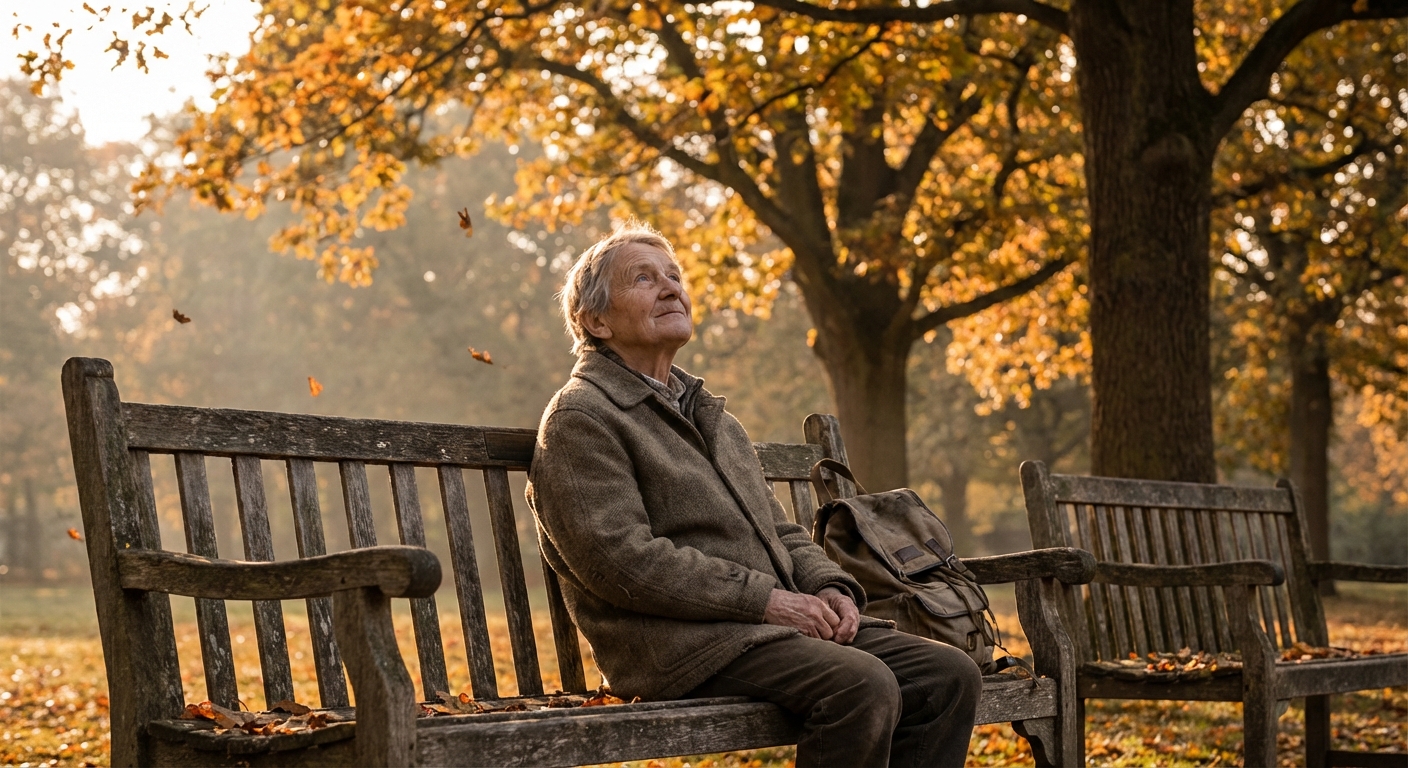
Social rest looks different depending on who you are. For introverts, it’s time alone without obligations. For extroverts, it’s meaningful connection that doesn’t require performance. For everyone, it includes boundaries with relationships that drain rather than restore. You need social rest if you feel exhausted after interaction even with people you love, or paradoxically, if you feel isolated despite being around people constantly.
Creative rest is experiencing beauty without having to create it: nature, art, music as a receiver rather than a producer. You need this if you’ve lost inspiration, if everything feels flat, if creating feels like obligation rather than joy. The creative well needs to be refilled, and that happens through input, not output.
Emotional rest is permission to feel without performing, to be authentic without an audience. You need this if you’re always “on,” if you can’t cry even when you want to, if you feel numb or like you’re acting your way through daily life. Somewhere along the way, you learned that your real feelings weren’t welcome. Emotional rest creates space for them.
Sensory rest means reducing inputs: quiet, darkness, simplicity, unplugging from screens and notifications. You need this if you’re overwhelmed by noise, if lights give you headaches, if you crave silence the way other people crave water. In a world of constant stimulation, sensory rest has become genuinely radical.
Spiritual rest is connection to something bigger than yourself: purpose, meaning, belonging beyond your individual concerns. You need this if you feel aimless, if success feels empty, if you’re questioning “what’s the point of all this?” This isn’t necessarily religious, it’s about mattering, about being part of something that transcends your daily routines.
The key insight is that you might be getting one type of rest while starving for another. That’s why weekend Netflix binges don’t restore you. Your body might be resting while your soul remains depleted. Identifying which types of rest you’re missing is the first step toward actually feeling rested.
Giving Yourself Permission to Be Unproductive
This is hard for many of us because we’ve been taught that worth equals productivity. That doing nothing is wasting time. That rest must be earned through exhaustion. These beliefs run deep, often absorbed before we were old enough to question them.
None of it is true. You don’t need to earn rest through suffering. You don’t need to be productive to deserve existence. Doing nothing isn’t lazy. It’s essential.

Understanding what rest actually does makes it easier to prioritize. Rest replenishes creativity. The default mode network, where creative insights emerge, only activates when you’re not focused on tasks. The breakthrough ideas and connections happen in idle moments, not during grinding productivity. Rest also processes emotions. Your brain needs downtime to integrate experiences and regulate feelings. Without it, emotions backlog, emerging later as anxiety, irritability, or numbness.
Real rest restores energy in ways caffeine can’t. Not borrowed, crash-later energy, but actual sustainable vitality. It prevents burnout because you can’t push through forever. Either you choose rest or your body chooses it for you, often through illness or breakdown. And rest improves decision-making because a rested brain makes better choices than an exhausted one pretending to function.
The irony is that rest makes you more effective at everything else. The hustle culture framing of rest as the enemy of productivity gets it exactly backwards.
How to Schedule Nothing
Here’s the rebellious act: put “nothing” on your calendar and protect it like a meeting.
Start with daily nothing. Ten minutes of sitting without meditating or improving or doing anything. Just sitting, looking out a window, existing. Make your first thirty minutes awake tech-free: no phone, just you and your thoughts and coffee. Take a walk without purpose: no fitness goal, no podcast, no destination. Just walking and noticing.
Build to weekly nothing. Sunday mornings, or whenever works for your schedule, block two hours with nothing planned. No agenda. See what emerges when you’re not trying to fill every moment. Protect one evening with no plans, no screen time, no productivity. Give yourself permission to be bored.
Monthly, try a full day of nothing. No to-do list. No obligations. Whatever calls to you in the moment, you follow. No justification needed. This might feel uncomfortable at first. That discomfort is information about how dependent you’ve become on constant activity.
Seasonally, if you can, take a week off. Not “vacation” with packed itineraries and activities. Actually off. Rest, wander, be. Let your nervous system remember what it feels like to not be in constant response mode.
The resistance you’ll feel is real. Your brain will scream: “This is wasteful! You should be doing something productive!” That’s not truth. That’s conditioning. Years of programming telling you that your worth is your output. Let the voice be there and do nothing anyway.
The Boredom You’re Avoiding
We’re terrified of boredom. The moment it appears, we reach for our phones. The average person can’t sit alone with their thoughts for more than a few minutes before the discomfort becomes unbearable.
But boredom isn’t the enemy. Boredom is the doorway to everything interesting.
Creativity needs boredom. Problem-solving needs boredom. Self-discovery needs boredom. Your brain needs space to wander, to make unexpected connections, to surface what’s been buried under the constant noise.
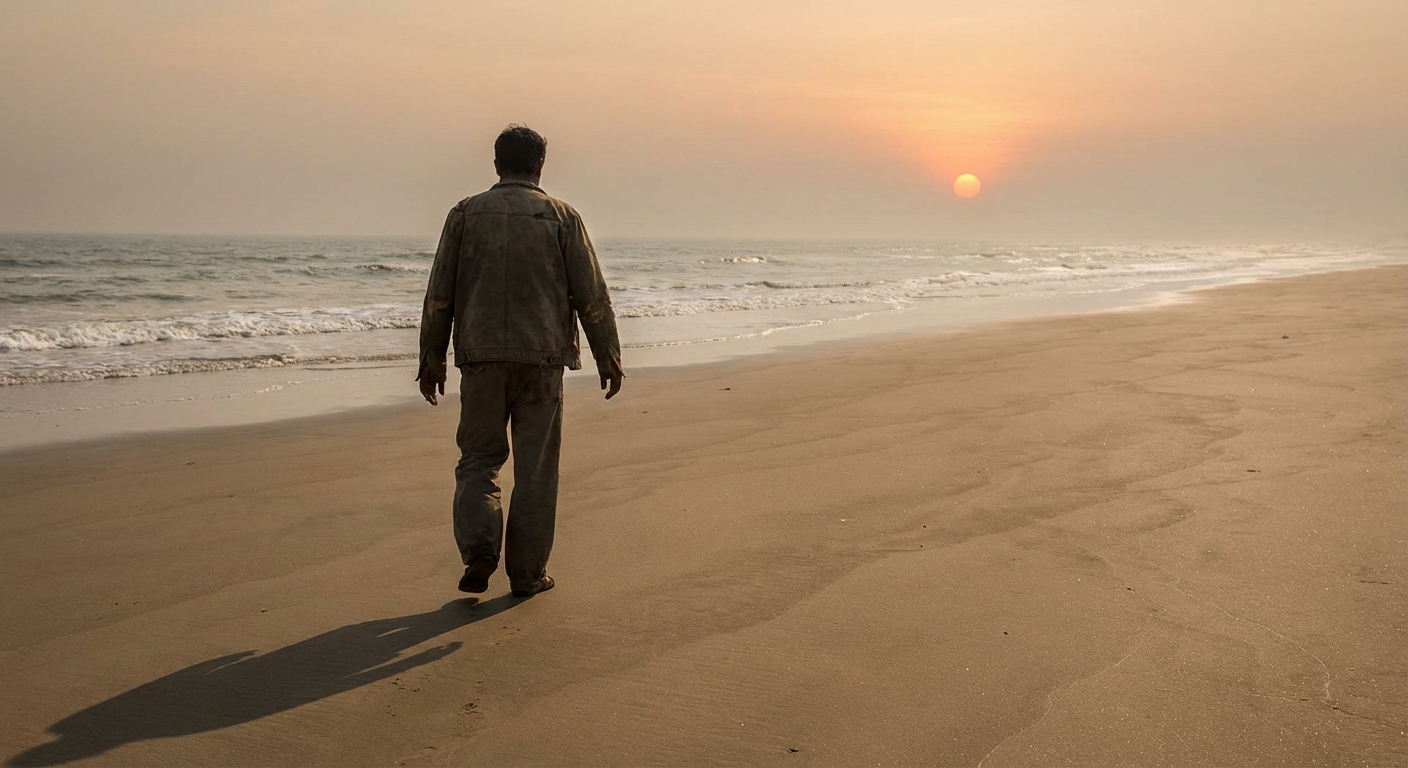
When you eliminate all boredom, you eliminate the conditions for originality. The constant inputs leave no room for outputs that aren’t reactions. Your own thoughts, your own insights, your own creative impulses need silence to emerge.
Practice boredom deliberately. Wait without scrolling at the coffee shop, the doctor’s office, in line. Just wait. Eat without screens and actually taste your food, notice flavors, be present with eating. Sit in silence, even just five minutes, with no music, no podcast, no TV background noise. Do one thing at a time, which is radical in 2025 but surprisingly powerful.
You’ll be amazed what your brain does when you stop filling every second.
Rest as Resistance
In a culture that profits from your exhaustion, rest is rebellion.
Tricia Hersey, founder of The Nap Ministry and author of “Rest Is Resistance,” makes this case compellingly. We live in systems designed to extract maximum productivity from human beings. Advertising profits from your dissatisfaction. Social media profits from your attention. The economy profits from your labor. Rest offers nothing to these systems.
Every time you choose rest over hustle, you reject the idea that your worth is your productivity. Every time you do nothing, you claim your humanity beyond utility.
Rest says: I exist beyond what I produce. I’m worthy when I’m still. My value isn’t my output.
That’s threatening to systems that need you exhausted and consuming and hustling to survive. Your well-rested, present, intentional self is dangerous. You might start questioning what you actually want instead of accepting what you’re sold.
Your Invitation to Begin
You don’t have to overhaul your life today. Start with one small act of rest this week.
Consider ten minutes of sitting. Just sitting. Watching the sky, the trees, your breath. Nothing else. Or try one phone-free morning, from waking to leaving the house. Just you. Or take one walk with no agenda: no podcast, no fitness tracking. Just walking and noticing. Or protect one evening of nothing: no plans, no screens, no productivity. See what happens.
Pick one. Notice what you feel. Notice what emerges. Notice the resistance and practice rest anyway.
The world needs your well-rested, creative, present, intentional self. Not your exhausted, depleted, running-on-fumes version. The hustle will tell you that you can’t afford to rest. The truth is you can’t afford not to.
Give yourself permission to do nothing. Your best everything starts there.
For more on creating space in your life, explore how to set boundaries without guilt. If you’re curious about meditation as a form of mental rest, our beginner’s guide to meditation offers accessible starting points. And if you’re thinking about energy as a resource to manage, consider our piece on energy management over time management.
Sources: Dr. Saundra Dalton-Smith’s “Sacred Rest” and research on the seven types of rest, Tricia Hersey’s “Rest Is Resistance,” burnout research and workplace wellness studies.