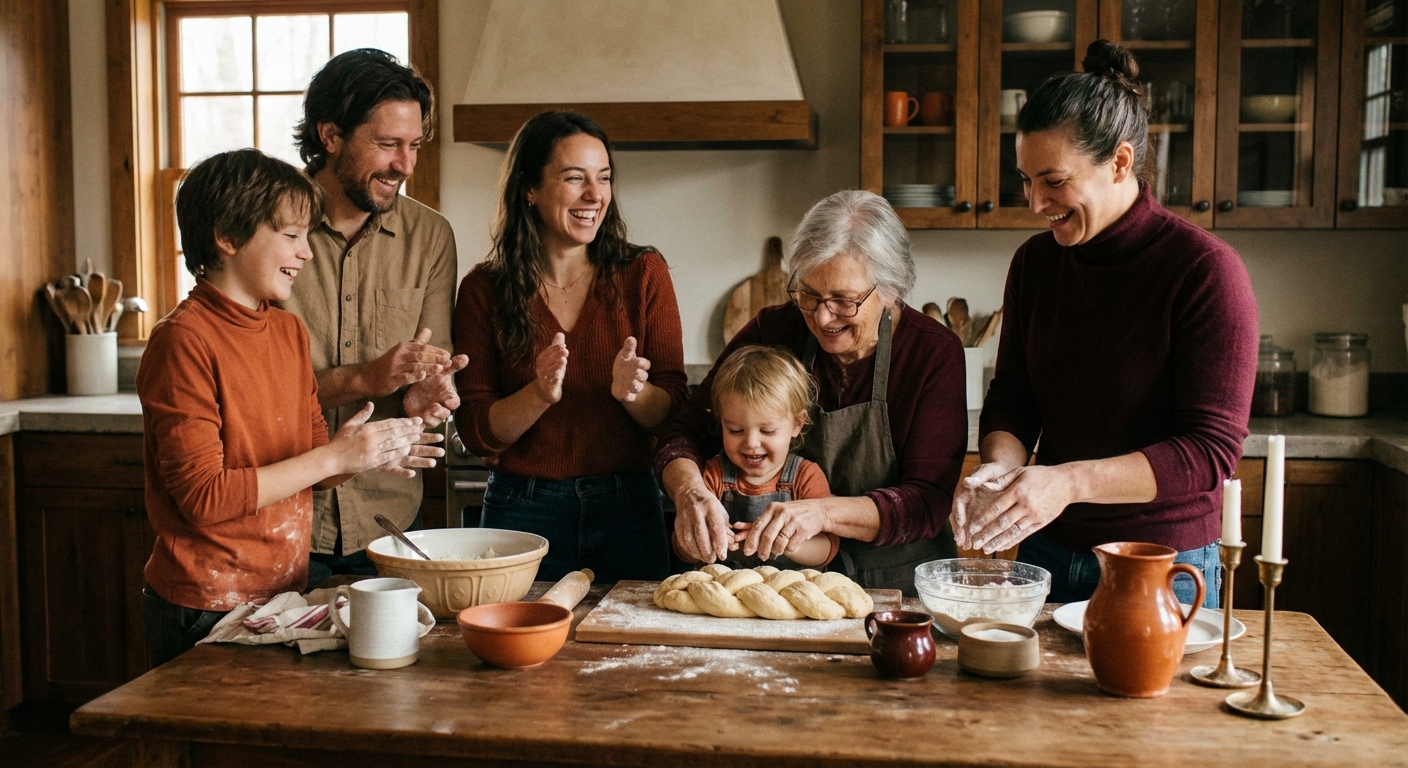
Every December, a friend makes the same cookies her grandmother made. She uses the same recipe card, yellowed and splattered with decades of butter stains. Her kids help now, just like she helped when she was small. It’s beautiful, this thread of connection stretching across generations, this tangible link between past and present. And every December, some of us feel a quiet ache because we don’t have that. Our families moved too much for traditions to take root. Holidays were chaotic, inconsistent, something to get through rather than savor. We moved out on our own and realized we had no blueprint for creating meaningful moments, no inherited rituals to anchor our years.
Here’s what nobody tells you about traditions: someone, somewhere, started every single one of them. That grandmother didn’t inherit those cookies from her grandmother. She found the recipe in a magazine in 1952, made them once, loved them, and decided to make them every year. By the time her grandchildren came along, those cookies felt ancient and sacred. But they began with one woman deciding to do something, and then doing it again. That’s all tradition is. Something meaningful you choose to repeat. Psychologist Barbara Fiese, whose research at Syracuse University focuses on family rituals, has found that the symbolic meaning families attach to rituals matters more than their length or complexity. You don’t need permission from the past to create rituals for your future.
Why Traditions Shape Us
Traditions provide anchors in time. They mark the passage of seasons and years in ways that feel intentional instead of inevitable. Without them, time slips by in an undifferentiated blur. With them, you have markers that tell you where you are in the cycle of the year, reminders that time is passing and that you’re choosing how to spend it. Research from Harvard’s Human Flourishing Program, directed by Tyler VanderWeele, has found that regular rituals and traditions correlate with higher wellbeing, stronger relationships, and greater sense of meaning in life.
Traditions create something to look forward to. When November arrives and you know your annual gathering is coming, you have anticipation built into your calendar. Life isn’t just a series of random days; there are moments you’re moving toward. They offer continuity through change. Everything else in life shifts: jobs change, relationships end, you move to new cities. But the tradition remains. It’s a thread of consistency through the chaos, proof that some things can stay the same even as everything else transforms.
They build identity and belonging. Traditions tell you who you are and whose you are. This is what we do. This is who we are. This is how we mark what matters. Anthropologist Catherine Bell, whose work on ritual theory has influenced how we understand human practice, noted that rituals don’t just reflect who we are; they actively construct it. The traditions you participate in shape your sense of self and community. And perhaps most importantly, traditions make ordinary moments sacred. A Sunday morning becomes more than just another morning when it’s the Sunday morning you always make pancakes and read without rushing. Repetition transforms the mundane into ritual, the routine into the meaningful.
Solo Traditions Worth Building
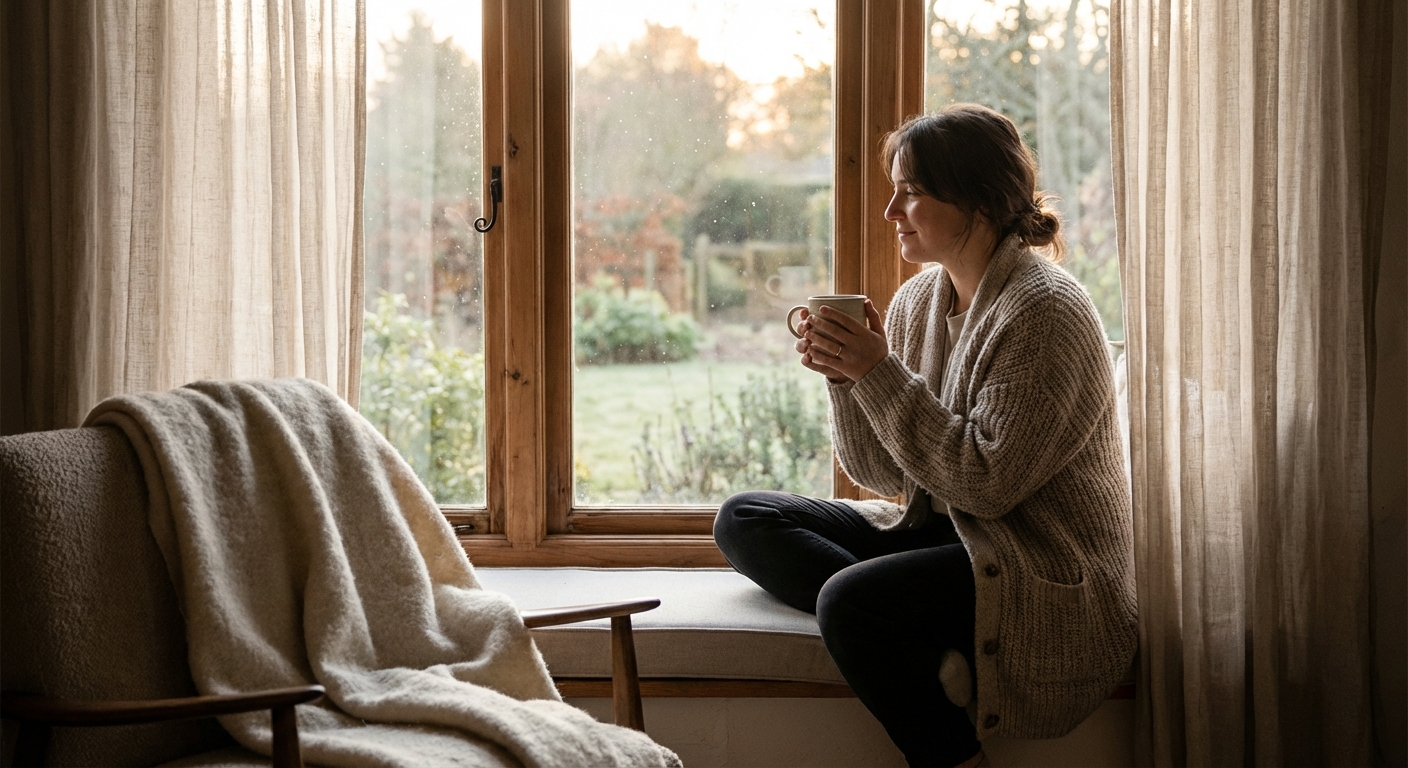
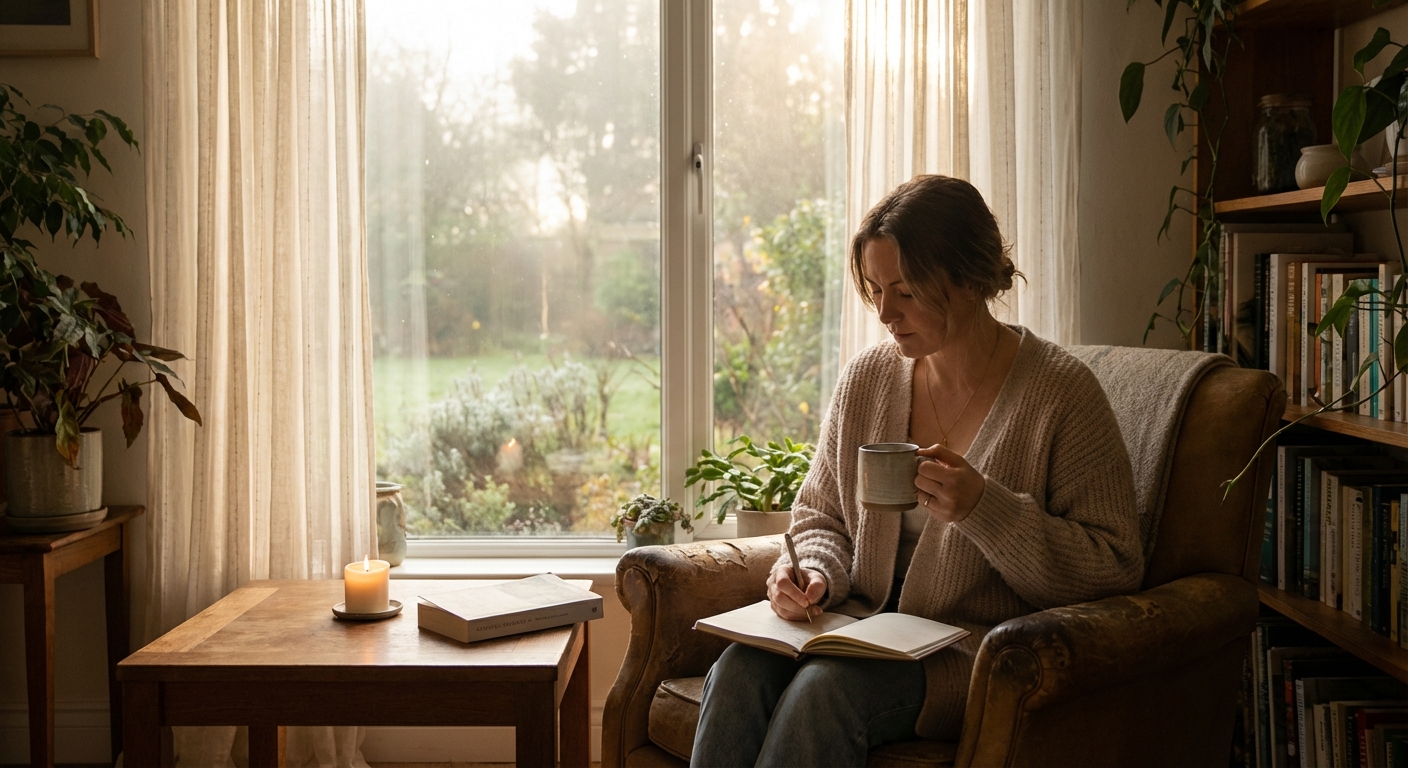
You don’t need other people to create meaningful traditions. Some of the most nourishing rituals are ones you do alone, regular gifts you give yourself that become the scaffolding of your weeks and seasons. A Saturday morning ritual might mean making the good coffee, the kind you grind fresh, and sitting with it in silence before the world demands anything from you. No phone, no agenda, just you and the quiet. Or Sunday mornings might mean long walks in the same park, watching the seasons change the landscape week by week. Same path, same time, different world each visit.
Seasonal markers offer natural opportunities for solo traditions. The autumn equinox could mean visiting the same spot, the one with the view that makes you feel small in the best way, and writing down what you’re releasing from the year. On your birthday, instead of waiting for others to make it special, you create your own ritual: a day alone doing exactly what you want, or writing a letter to your future self, or visiting a place that matters and sitting with gratitude for another year. The winter solstice, the first day of spring, the summer’s longest day, these natural markers are waiting for you to claim them. You don’t need a cultural tradition around them. You can build your own. For more on building intentional daily practices, see our piece on mindful mornings.
Building Traditions With Others
When you’re creating traditions with partners, friends, or family, the key is finding what resonates with everyone involved and then protecting it from the drift of busy life. With a partner, annual traditions can be significant, like a first-day-of-the-year breakfast at the same place, but they can also be tiny and frequent. Every Sunday cooking dinner together, no phones, no TV, just music and chopping vegetables and the rhythm of moving around the kitchen together. Or every night before sleep, each sharing one thing about your day. This five-minute practice becomes the heartbeat of connection, a daily thread that keeps you woven together.
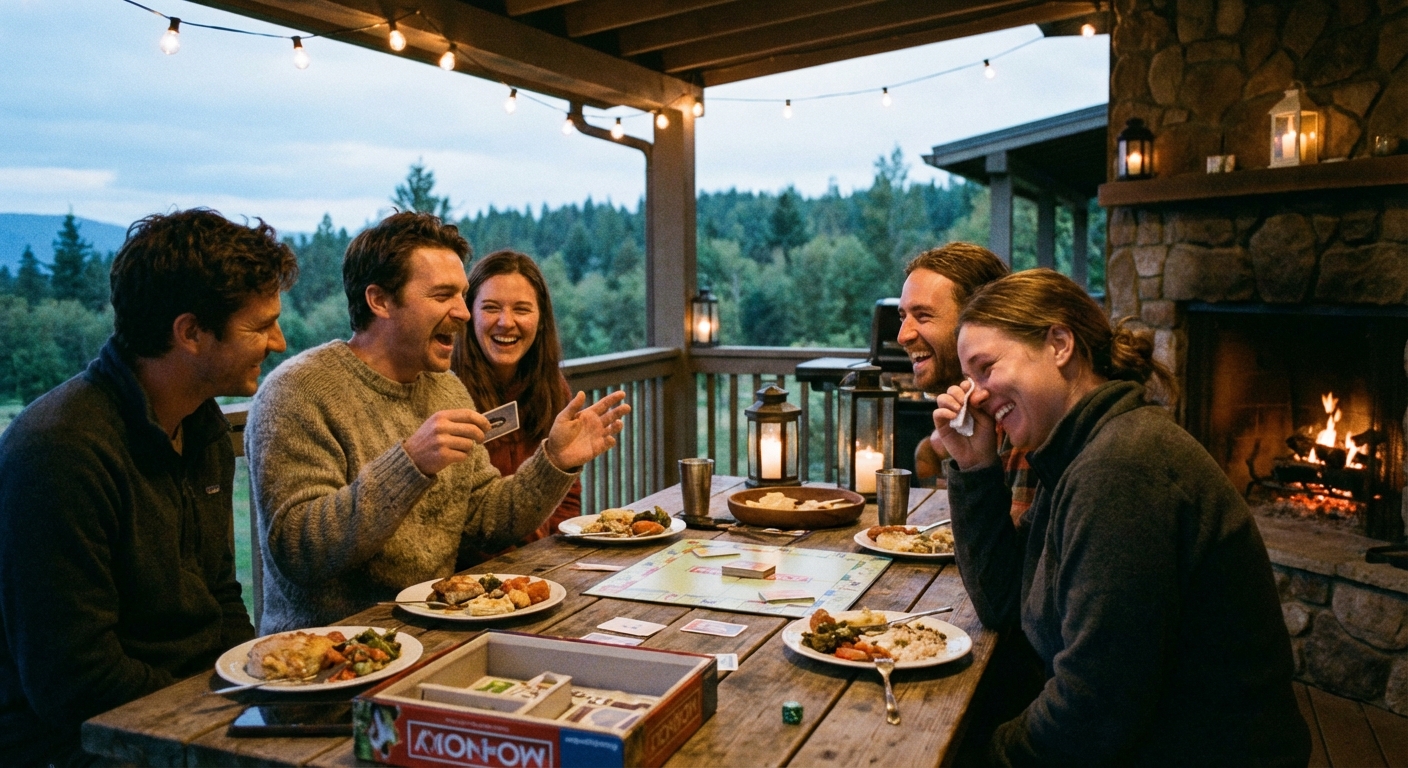
With friends, the possibilities are endless. A monthly gathering that’s less about the official purpose and more about the showing up. Same people, same space, same ritual of being together. Summer might mean an annual camping trip or beach day or long hike. The specific activity matters less than the commitment to doing it together, year after year, until it becomes something you all count on. John Gottman’s research on relationships has found that regular rituals of connection, what he calls “rituals of togetherness,” are protective factors for relationship health. This applies to friendships as much as romantic partnerships. For more on nurturing these connections, see our piece on making friends as an adult.
With family, whether chosen or blood, you’re building traditions right now whether you realize it or not. If you have children, the patterns you establish become their sense of normal, their inherited rituals. It doesn’t have to be elaborate. Pizza and movie night every Friday. The Saturday morning pancake routine. Bedtime stories where you make up adventures together. Holiday traditions can be entirely your own invention. You don’t have to do what your parents did or what society expects. You can create something that actually fits who you are. Maybe your family’s December isn’t about presents; it’s about a day of service together. Maybe you invent your own holidays entirely, marking things that matter to you.
Making Traditions Stick
The difference between “we did that once” and “that’s our tradition” is repetition, but not forced, joyless repetition. Starting small and specific matters. “We should do more family dinners” is too vague to stick. “Every Tuesday, we eat together without screens” is specific enough to become routine. Don’t try to create fifteen new traditions at once. Pick one. Do it regularly. Let it become part of the rhythm of your life before adding another.
Anchoring traditions to existing structure helps them survive. Link your new tradition to something already fixed in time: first Saturday of the month, the equinox, your birthday. The existing anchor makes it easier to remember and protect. Making traditions easy enough to sustain matters enormously. If your tradition requires three hours of preparation and complex coordination, it won’t survive busy seasons. The best traditions have a low barrier to entry. You can do them even when life is messy.
Letting traditions evolve keeps them alive across changing circumstances. The Friday pizza night can become Friday takeout night when preferences shift. The form can adapt as long as the intention, being together, stays the same. And when some years you miss it, because life happens, don’t let one missed year kill the tradition. Just pick it back up. Traditions are resilient if you let them be. You’re also allowed to retire traditions that no longer serve you. The goal isn’t to accumulate rituals like merit badges. It’s to have meaningful practices that actually enrich your life. If something stops doing that, release it with gratitude and make space for something new.
Your Invitation
Whether you realize it or not, you’re already creating traditions. That thing you do every Sunday morning? If you’ve done it more than a few times, it’s becoming a tradition. The way you celebrate your birthday, or don’t? Tradition. The phrases you always say, the songs you play during certain seasons, the foods you make when you need comfort? All of it, traditions forming. You can let these happen accidentally, or you can step into them with intention. You can decide what matters enough to repeat, what you want to build into the architecture of your years.
This week, think about one small thing you want to turn into tradition. Maybe it’s Sunday morning coffee in your favorite mug, sitting in the same spot, letting yourself ease into the day. Maybe it’s a monthly call with someone who lives far away, same time every month, non-negotiable. Maybe it’s planting bulbs every autumn so every spring you’re surprised by blooms you planted when it was cold. Whatever it is, do it once. Then do it again. Then again. The traditions you create today become the legacy you leave tomorrow, not just for others but for yourself, for the version of you who will look back and feel grateful that you chose to make ordinary moments sacred.
Sources: Barbara Fiese (Syracuse University, family rituals research), Tyler VanderWeele (Harvard Human Flourishing Program), Catherine Bell (ritual theory), John Gottman (relationship research).