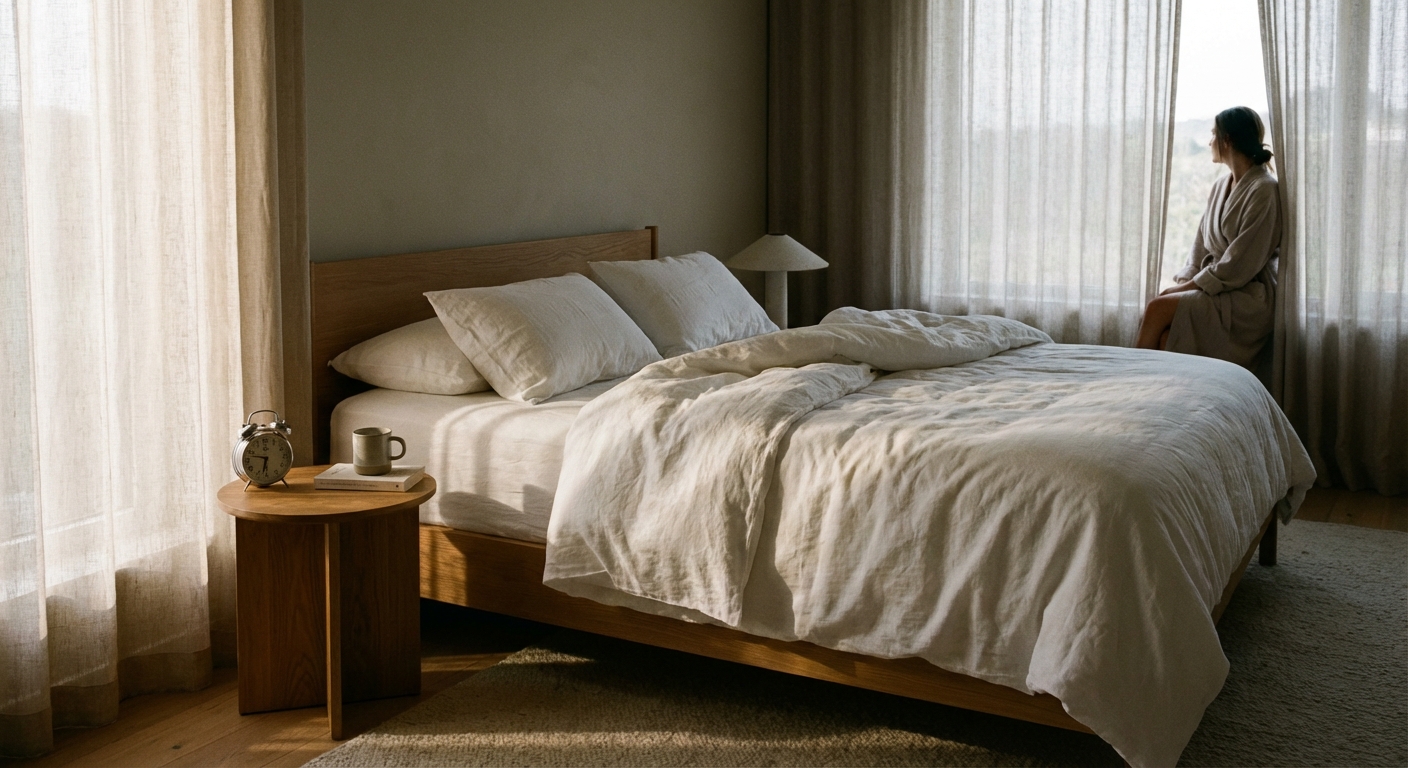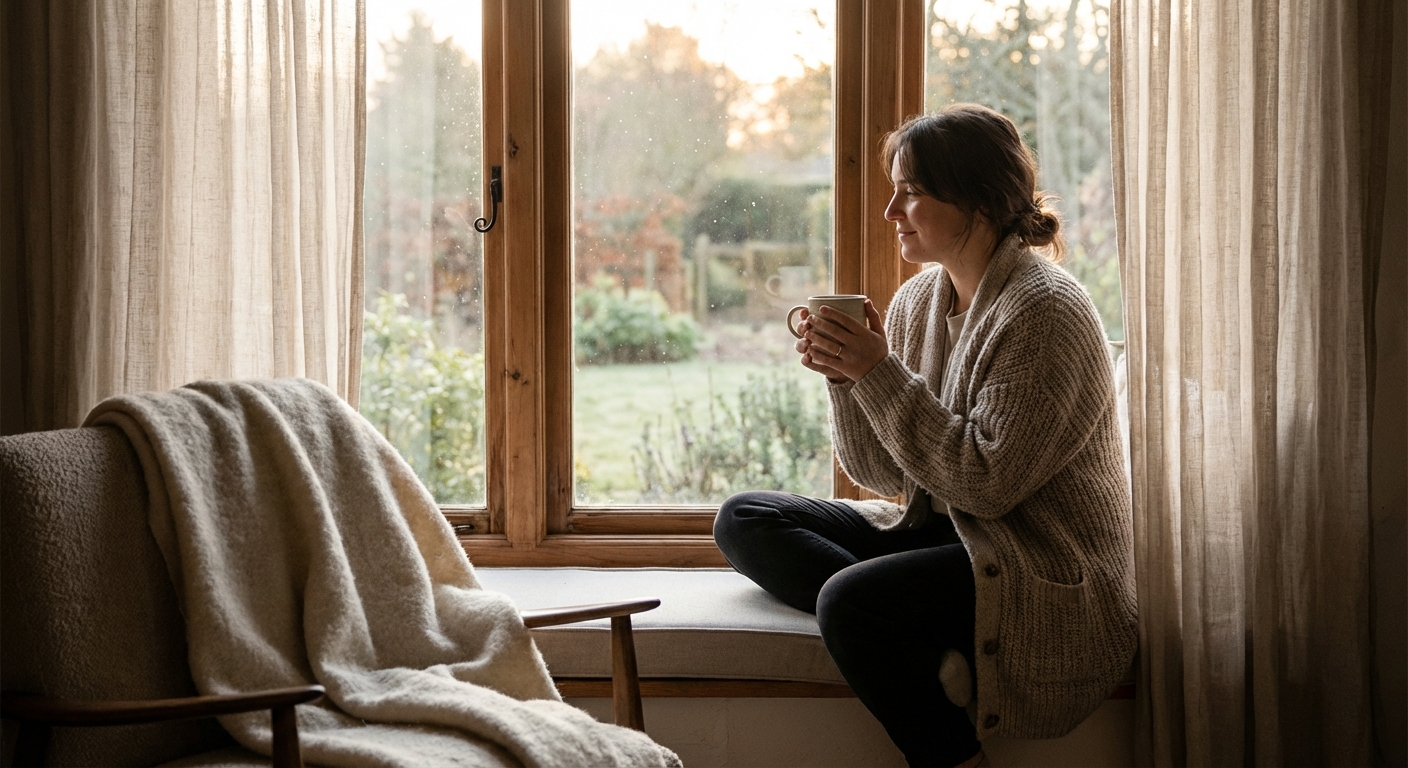
Walk into someone’s home and within minutes, you know something about who they are. Not just their taste in furniture, though that’s part of it. Something deeper. Whether they’re at peace or in chaos. Whether their space serves them or drains them.
Your home isn’t just where you live. It’s a physical manifestation of your inner world. And like your inner world, it can be intentionally shaped to support who you’re becoming.
Environmental psychology research tells us something uncomfortable: your surroundings are making choices for you, constantly, invisibly. The cluttered desk that makes you avoid deep work. The couch positioned toward the TV instead of toward conversation. The kitchen organized to make ordering takeout easier than cooking. These aren’t neutral spaces. They’re voting on how you live, and they usually win.
Design for the Behavior You Want
The famous Stanford marshmallow experiment, where children who delayed gratification did better in life, contained a detail most people miss. The kids who succeeded had one thing in common: they changed their environment. They turned away from the marshmallow. Covered their eyes. Created distance. They didn’t rely on willpower alone; they designed their surroundings to support the behavior they wanted.
Adults who succeed at change do the same thing. They make the right choice the easy choice by restructuring their environment. Want to read more? Put books on your coffee table and your phone in another room. Want to cook more? Keep your kitchen organized with healthy ingredients visible. Want better mornings? Set up your coffee the night before and put your journal where you’ll see it first thing.
The environment you design today determines the person you become tomorrow. Every space extends an invitation. A couch facing a TV invites watching. A couch facing another couch invites conversation. Your home is constantly inviting behaviors. The question is whether they’re the behaviors you actually want.
The Weight of Clutter
A UCLA study on clutter and stress found something striking: mothers who described their homes as cluttered had elevated cortisol levels throughout the day. Not just when they were home. All day. The mental weight of the clutter followed them everywhere.
Clutter isn’t just physical; it’s cognitive and emotional. Every object in your space requires a tiny amount of mental energy. Where does this go? Do I still need this? Why haven’t I dealt with this? Multiply that by hundreds of objects and you’re carrying significant cognitive load without realizing it.
The clearing doesn’t need to be dramatic. Not the overwhelming “declutter your entire house this weekend” that leads to exhaustion and bins labeled “misc.” A sustainable practice works better: deal with things once instead of putting them down to handle later. If you haven’t used something in three months and won’t use it in the next three, let it go. Keep surfaces mostly clear. When something new comes in, something old goes out.
The goal isn’t a minimalist magazine spread. It’s mental space. The slow living movement recognizes that our external environment directly affects our internal state. Less visual noise means more mental clarity.
Your Aesthetic, Not Instagram’s
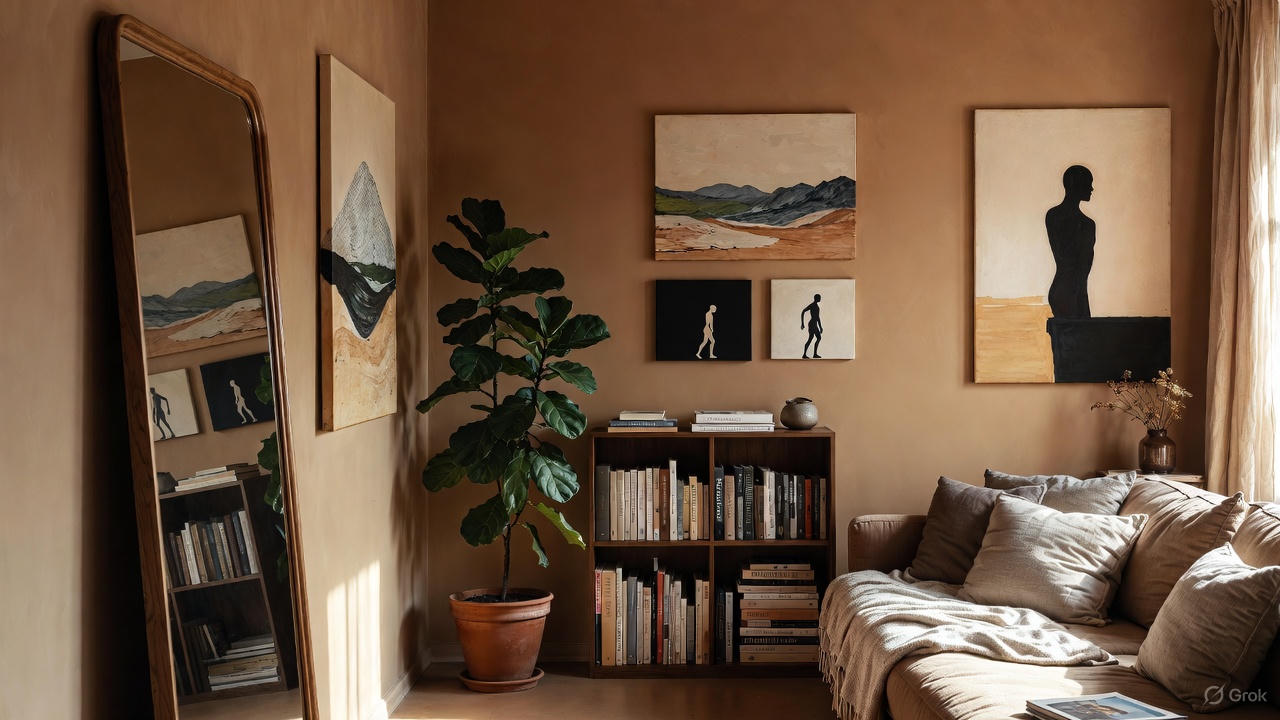
Pinterest and design influencers have created impossible standards for how homes should look. Minimalist white, perfectly styled, always photogenic. But your home shouldn’t look like a magazine. It should feel like you.
Think about the environments where you’ve felt most alive. Hotel rooms, coffee shops, friends’ homes, places you’ve traveled. What felt right? Some people come alive in cozy, colorful, object-filled spaces. Others need clean lines and minimal visual input. Neither is wrong. What matters is resonance with your actual nervous system.
What colors calm you or energize you? What textures do you want to touch daily? What makes a space feel like home specifically to you? Maybe it’s books everywhere, or family photos, or plants, or art. Your thing doesn’t have to be anyone else’s thing.
Permission you might need: your home doesn’t have to stay the same. The space that worked at 25 might not work at 35. You’re allowed to evolve your surroundings as you evolve yourself.
Start with One Zone
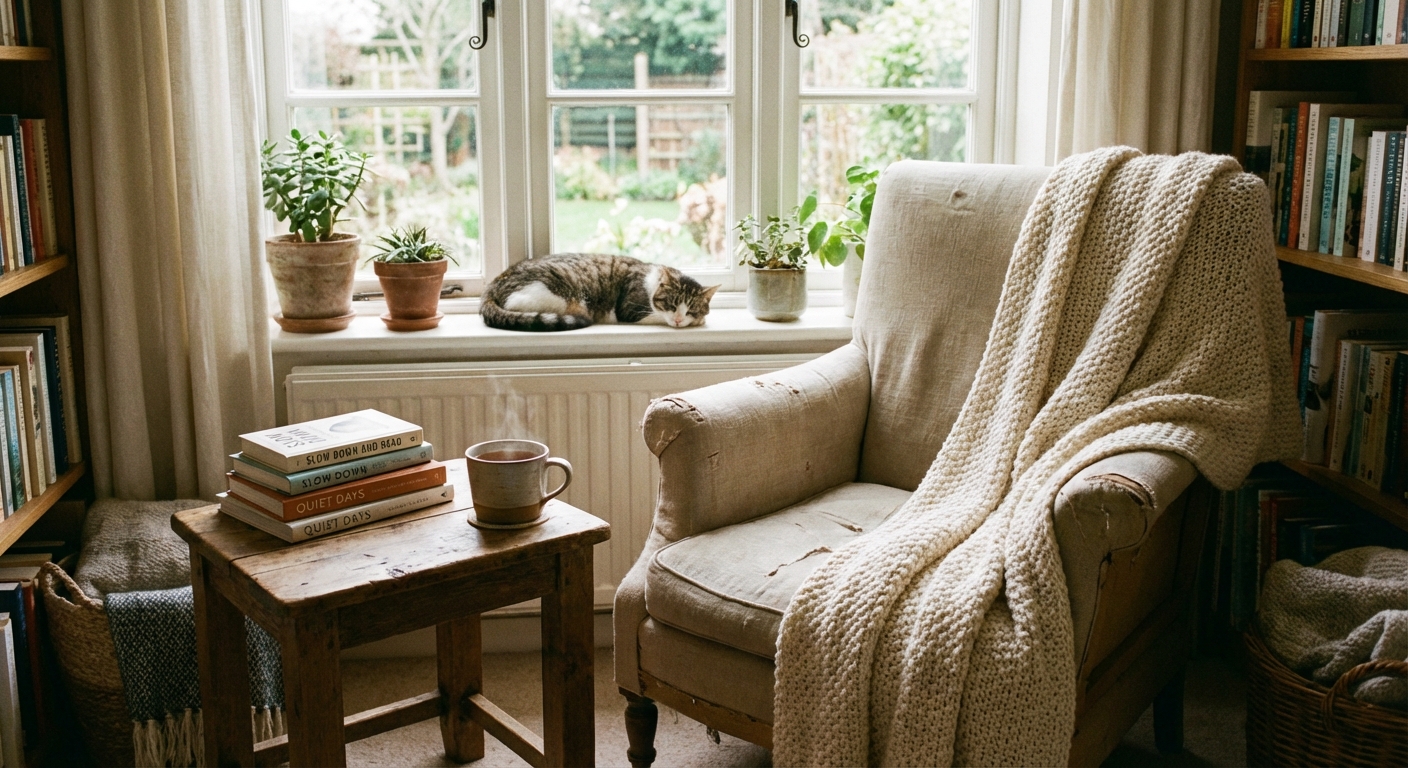
You don’t need to redesign your entire home at once. Start with one corner, one room, one area that matters to you. Clear it. Think about what behavior you want that space to invite. Your Sunday reset can include spending ten minutes making one space more intentional.
Ask yourself: What do I want to do more of? Design space that invites that. What do I want to do less of? Remove the environmental cues that encourage it. Who am I becoming? Design for that person, not who you used to be.
Your outer world shapes your inner world. When your environment stops working against you and starts working for you, everything shifts. Not because the furniture matters in itself, but because the friction disappears. The right behaviors become easier. The wrong ones become harder.
Your inner world deserves a space that honors it. Start with one corner. See what changes.
Sources: Environmental psychology, UCLA stress and clutter study, Stanford marshmallow experiment, behavior design principles.