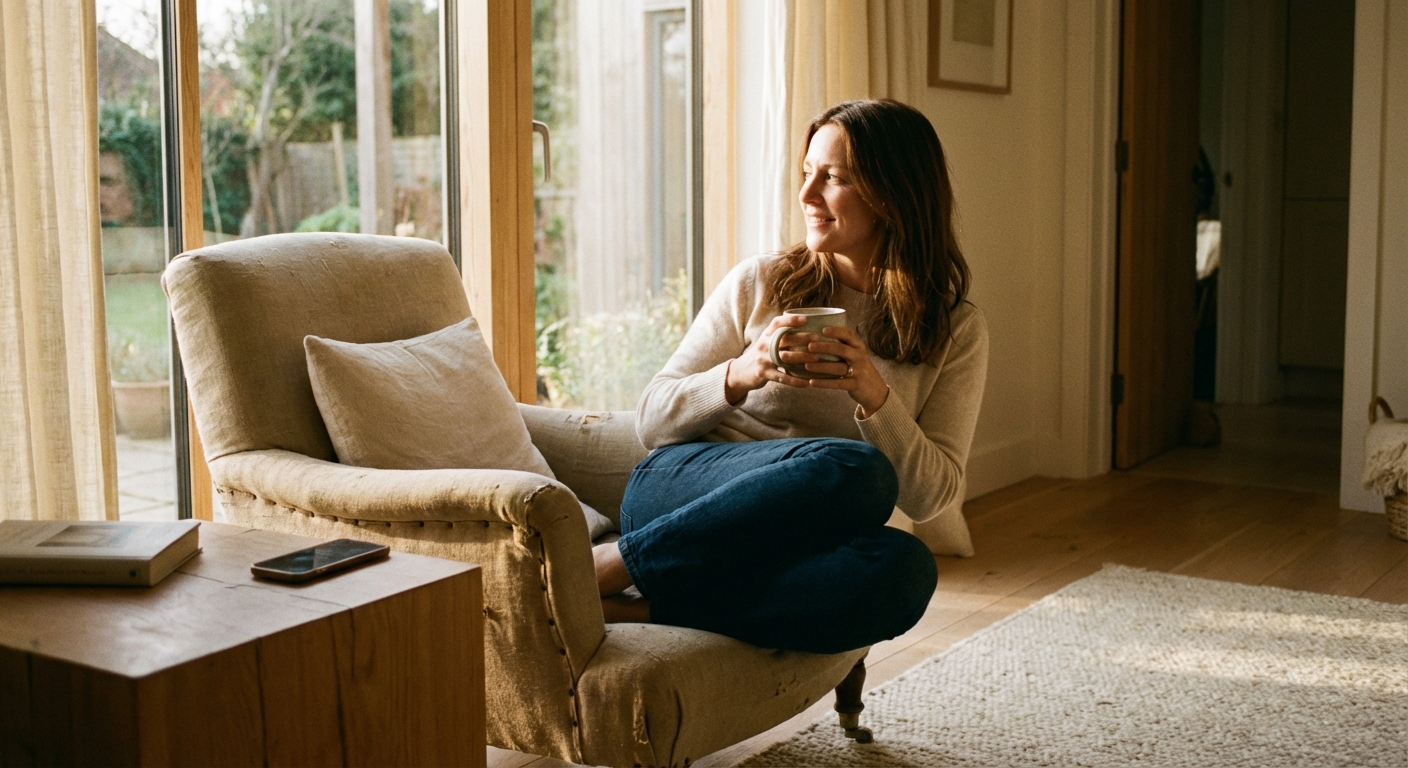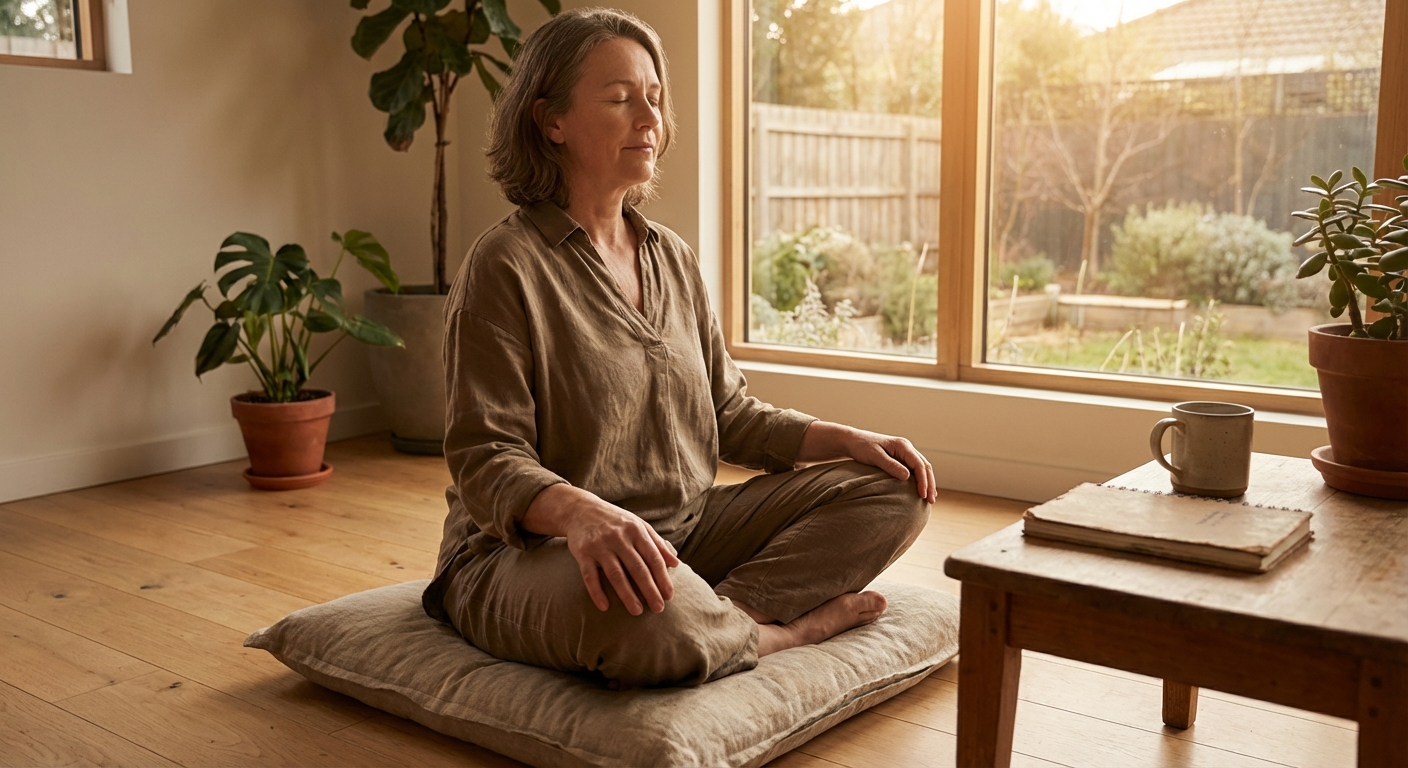
Viktor Frankl, psychiatrist and Holocaust survivor, wrote one of the most powerful sentences about human freedom: “Between stimulus and response there is a space. In that space is our power to choose our response. In our response lies our growth and our freedom.” That space, the pause between what happens and how you react, is where your agency lives. It’s where you shift from automatic reaction to conscious response, the difference between being controlled by circumstances and having influence over how you meet them. But most of us live without that space. Something happens and we react instantly. Someone says something irritating and we snap back. An email arrives and we respond immediately. Notification pops up and we check it without thought. Stimulus straight to response with no pause. Reactivity as default mode.
The practice of pausing, creating intentional space between what happens and how you respond, is one of the most powerful tools for navigating life with intention instead of compulsion. Jon Kabat-Zinn, who founded the Mindfulness-Based Stress Reduction program at UMass Medical School and has studied contemplative practice for decades, describes the pause as the moment of “waking up” from automatic pilot. Neuroscientist Matthew Lieberman’s research at UCLA confirms what contemplatives have long known: the brief interruption of conscious awareness between stimulus and response engages different brain systems than automatic reaction, systems associated with regulation, choice, and flexible behavior.
What the Pause Actually Is
The pause isn’t about suppressing your reaction or forcing yourself to feel differently. It’s about creating a moment of awareness before you act. One conscious breath before responding. Three seconds of noticing what you’re feeling. A mental step back to assess the situation. The gap between impulse and action. What the pause is not: avoiding difficult conversations or necessary action, suppressing emotions or pretending you don’t feel what you feel, or overthinking every small decision into paralysis. It’s simply noticing before doing. Awareness before action. Consciousness instead of autopilot.

Reactivity, living without the pause, creates predictable problems. You say things you regret, the angry email sent immediately, the harsh words in arguments. If you’d waited even sixty seconds, you might have chosen differently. You make impulsive decisions, buying things you don’t need, agreeing to commitments you’ll resent, reacting to fear instead of assessing rationally. You’re controlled by triggers; certain people or situations automatically produce specific reactions, and you’re not choosing your response, it’s choosing you. Every reaction reinforces existing patterns. The pause allows you to try something different. It opens the possibility of growth rather than repetition. If you’re interested in practical techniques for calming your nervous system in these moments, our guide to breathwork for calm offers immediate tools.
The Neuroscience of Reactivity
Understanding what happens in your brain helps explain why pausing is hard and why it’s valuable. The amygdala, your threat-detection system, reacts to stimuli in milliseconds. Fear, anger, defensive reactions happen automatically before conscious thought even begins. The prefrontal cortex, your rational planning brain, needs slightly longer to assess situations and generate thoughtful responses. It’s simply slower than the amygdala. Without the pause, amygdala wins. You react based on threat perception, not rational assessment.
The pause gives your prefrontal cortex time to engage. It allows rational thought to catch up with emotional reaction. Dr. Dan Siegel, clinical professor of psychiatry at UCLA and author of multiple books on interpersonal neurobiology, calls this “flipping your lid.” When the amygdala hijacks response, the prefrontal cortex goes offline. The pause is the practice of keeping that lid on, of maintaining integration between emotional and rational brain systems. Over time, practicing the pause actually rewires your brain. The amygdala becomes less reactive. The prefrontal cortex gains more influence. Your default shifts from reactivity to responsiveness. This neuroplasticity, the brain’s ability to change through practice, means the pause gets easier the more you do it.
The STOP Practice
The simplest pause technique comes from mindfulness training, often attributed to Jon Kabat-Zinn’s MBSR program. S means Stop: whatever you’re doing, stop, physically pause. T means Take a breath: one conscious breath, inhale, exhale, notice. O means Observe: what am I feeling, what’s happening in my body, what’s the situation actually. P means Proceed: choose how to respond based on awareness, not automatic reaction. This takes maybe ten seconds. Long enough to shift from reactivity to responsiveness. Use STOP when you feel strong emotion arising, when someone says something that triggers you, when you’re about to react impulsively, when you notice yourself getting defensive, when you’re rushing and feeling frantic. The practice is catching yourself in reactivity mode and choosing pause instead. For more on building daily mindfulness practices, see our piece on mindful mornings.
Pauses Throughout the Day
The pause isn’t just for crises or intense moments. It’s a practice woven throughout normal life. A morning pause before checking your phone, one minute of simply being awake, noticing breath and body and how you feel, sets intention for the day. Before transitions, one breath before starting the car, before entering work, before walking in the door at home, creates intentional shift between contexts. Before responding to email, text, or conversation, a brief pause before replying, even three seconds, makes a difference. Before eating, one breath of gratitude or awareness transitions from distracted consumption to mindful nourishment. An evening pause before sleep, five minutes reviewing the day, asking what happened, how you feel, what you’re carrying that can be released. These tiny pauses accumulate. Your day becomes punctuated by moments of consciousness instead of continuous autopilot. For more on building this practice into your morning routine, see our piece on mindful mornings.
The Relationship Pause
The pause is particularly transformative in relationships. Before responding to your partner’s hurtful comment, pause. Breathe. Notice your reaction. Then choose: do you want to escalate or de-escalate? React from hurt or respond from intention? The pause allows you to fight differently, more productively, with less damage. Before saying something difficult, pause and ask: are you saying this to hurt them or help the relationship? From anger or from care? When triggered by something your partner does that always bothers you, pause before the automatic criticism and choose whether this moment needs addressing or can be released. Every relationship improves when people pause more and react less. John Gottman’s research on relationships consistently finds that couples who can de-escalate conflict, who can pause and repair rather than continuously escalate, have dramatically better outcomes than those caught in reactive cycles. For more on reconnecting after conflict, see our piece on repair after conflict.
Training the Pause
Like any skill, pausing improves with practice. Start in low-stakes situations, practicing pause before small decisions or minor moments. Build the muscle when consequences are minimal. Set reminders: post-it notes saying “pause,” phone reminders saying “breathe before responding.” External cues help until internal habit forms. Reflect after reactivity: when you react without pausing, which will happen often, review it afterward. What would have been different if you’d paused? This builds awareness for next time. Celebrate successes when you do pause, when you choose responsiveness over reactivity. Reinforcement strengthens practice. Be patient with yourself. You’ll forget constantly. You’ll react without pausing hundreds of times. That’s normal. The practice is noticing when it happens and trying again.
Your Invitation
What Frankl understood from surviving concentration camps is that external circumstances can be terrible, but the space between what happens and how you respond contains irreducible freedom. They could control his body, his environment, his life. They couldn’t control the meaning he made, the attitude he took, the response he chose. For most of us, circumstances aren’t as extreme. But the principle remains: you can’t always control what happens. You can always influence how you respond. And that influence lives in the pause.
Today, practice the pause once. Before you respond to the next challenging email, text, or conversation, take one conscious breath. That’s it. One breath. One pause. One moment of choosing instead of reacting. Notice what’s different. Then try it again tomorrow. Over time, the pause becomes more natural. The space between stimulus and response widens. Your reactivity decreases. Your freedom increases. You’re not trying to become a perfectly calm, never-reacting robot. You’re just creating a little more space, a little more choice, a little more consciousness. And in that space, you find your power.
Sources: Viktor Frankl “Man’s Search for Meaning,” Jon Kabat-Zinn MBSR program, Dr. Matthew Lieberman UCLA neuroscience research, Dr. Dan Siegel interpersonal neurobiology, John Gottman relationship research.