
You said things you can’t take back. Or they did. Or you both did, words escalating until someone walked away or shut down or said something designed to wound. Now you’re in that awful space after a fight, the cold distance settling between you, the hurt feelings hardening, the stubborn silence filling the room. Part of you wants to reach out. Part of you thinks they should reach out first. Part of you is still angry and not ready to let go of it. You’re stuck in the gap between disconnection and reconnection, unsure how to cross it.
Here’s what Dr. John Gottman discovered after four decades of studying couples at his research lab, observing thousands of relationships with meticulous data collection: the fight isn’t what breaks relationships. Refusing to repair is what breaks them. For more on how to have difficult conversations in the first place, preparation matters as much as repair. Gottman can predict with remarkable accuracy whether a couple will stay together or divorce, and the prediction has almost nothing to do with whether they fight. All couples fight. The couples who last are the ones who’ve mastered the art of reconnection after disconnection. They know how to reach across the distance, even when they’re still hurt, even when they’re not entirely ready, even when part of them wants to stay angry. That reaching, what Gottman calls “repair attempts,” is the difference between relationships that endure and relationships that erode.
Why Repair Matters More Than the Fight
Every relationship will have conflict. Compatibility doesn’t mean never fighting. It means fighting fairly and repairing well. The fantasy of the conflict-free relationship, where two people are so perfectly matched they never disagree, is exactly that: a fantasy. Real intimacy requires the willingness to be honest, and honesty sometimes creates friction. The question isn’t whether you’ll fight. The question is what happens after.
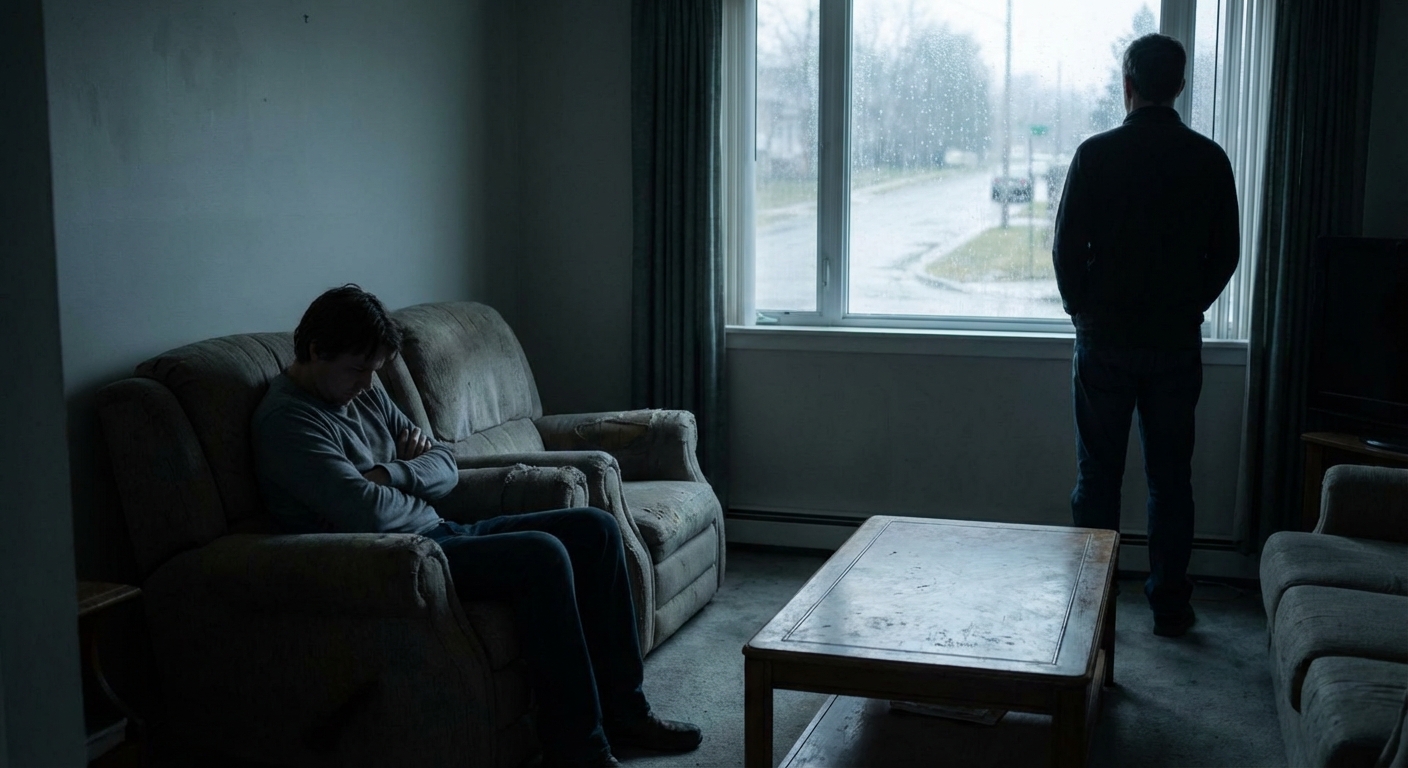
Without repair, resentment accumulates. Each unaddressed hurt adds to the pile, and eventually the pile becomes so large that small conflicts trigger massive reactions because they’re not really about the small thing; they’re about everything that was never resolved. Trust erodes when you can’t count on repair, because vulnerability requires the confidence that ruptures will be mended. You start protecting yourself instead of opening up. Distance becomes the default pattern: conflict, withdrawal, eventual awkward return to normal without actually addressing anything, repeat. The pattern calcifies. Intimacy dies not in one dramatic moment but through the slow accumulation of unrepaired disconnections.
Sue Johnson, who developed Emotionally Focused Therapy and has studied attachment in adult relationships for decades, describes repair as “turning toward” each other after “turning away.” The turning away happens in conflict, in hurt, in the moments when connection breaks. The turning toward, the active choice to move back into relationship despite the discomfort, is what builds what Johnson calls “secure attachment.” It says: we disconnected, and I’m choosing to reconnect. We’re okay even when we’re not okay. That message, repeated over time, creates the safety that allows both people to be fully themselves within the relationship.
The Elements of Effective Repair
Not all repair attempts work. Some make things worse. The difference lies in how repair is offered and whether it addresses what actually happened. Harriet Lerner, whose book “Why Won’t You Apologize?” examines the psychology of apology and repair, identifies specific elements that distinguish genuine repair from performative apology.
Taking ownership of your part comes first, and it must be genuine ownership without deflection. “I’m sorry you felt hurt” is not an apology; it locates the problem in the other person’s sensitivity rather than your behavior. “I’m sorry I said that. It was hurtful and I shouldn’t have said it” is ownership. “I’m sorry, but you also…” is not repair; the “but” negates everything before it. “I’m sorry. I handled that badly. Full stop” is repair. You can address what they did separately. Repair is about your accountability first, offered without conditions or counterattacks.

Acknowledging impact matters as much as intention. You might not have meant to hurt them. You still did. “I can see that what I said hurt you.” “I understand why you felt dismissed.” “That must have been really painful to hear.” Validation of their experience is crucial, because their feelings are their feelings regardless of your intentions. You don’t have to agree with their interpretation to acknowledge their pain. Expressing genuine remorse goes beyond saying “I’m sorry.” Remorse is feeling it and showing that feeling. “I feel terrible about how I handled that.” “I hate that I hurt you.” “I wish I could take back what I said.” They need to know you actually care that you caused pain, not just that you’re sorry you’re in conflict.
Commitment to change makes repair more than an apology; it becomes a promise. What will you do differently? “Next time I’m upset about this, I’ll bring it up calmly instead of letting it build until I explode.” “I’m going to work on not being defensive when you raise concerns.” “I’ll communicate when I need space instead of just withdrawing.” Specific, actionable commitments rather than vague “I’ll try to be better.” And finally, invite dialogue by asking about their experience. “What was that like for you?” “What did you need from me that I didn’t give?” “How can I do better next time?” Then listen, really listen, without defending or explaining or preparing your response. For more on having these difficult conversations, see our piece on loving differences.
The Timing of Repair
Repair works best within roughly 24 hours of conflict, not because there’s magic in that timeframe but because of how memory and narrative work. Longer than 24 hours and stories harden. Your brain starts building a narrative about what happened, what it meant, what kind of person would do or say that, and those narratives are usually more negative than reality warrants. Longer than 24 hours and patterns establish, with stonewalling or silent treatment becoming the default response. Longer than 24 hours and it simply gets harder; the more time passes, the more awkward it feels to bring it up, and the temptation grows to just let it go, which isn’t resolution but avoidance.
That doesn’t mean you have to fully resolve everything within 24 hours. Sometimes you need more processing time, and that’s legitimate. But you can initiate repair even if you’re not ready to fully resolve. “I’m still upset and I need more time to process. But I want you to know I love you and we’ll work this out.” That’s repair. You’re reaching across the distance even while maintaining the space you need. “I’m not ready to talk about it yet. Can we check in tomorrow morning? I just need tonight.” Communication about the process is still communication. The key is signaling that the relationship matters, that you’re not abandoning them in the distance, that repair is coming even if it’s not complete yet. And if you’re struggling to communicate your needs clearly, understanding how to set boundaries without guilt can help you ask for the space you need while still signaling connection.
Building Repair Rituals
Some couples develop specific rituals that help them reconnect after conflict, practices that reduce the friction of initiating repair and make it easier to reach across the distance when you’re still hurt. A repair signal, some gesture that means “I’m ready to reconnect” without requiring words when words are still hard. A repair phrase, something like “come back to me” or “we’re okay” or “I love you even when we fight,” that signals the attempt to repair. The other person can accept or ask for more time. A repair walk, going outside together after a fight, because side-by-side walking reduces confrontational energy and movement helps process emotion. A repair note, when verbal is too hard, writing it down: “I’m sorry. I love you. Can we talk tonight?”
The specific ritual doesn’t matter. The intentionality does. What matters is having agreed-upon ways to bridge the gap, so that neither person has to invent repair from scratch in the emotionally depleted aftermath of conflict. Elena and her partner developed a rule: after any fight, before bed, one of them has to reach out. Even if it’s just “I’m still mad but I love you.” They don’t go to sleep in full disconnection. That commitment to repair, even when they don’t feel like it, has carried them through conflicts that might otherwise have calcified into lasting distance.
Your Invitation
Is there a relationship in your life that needs repair right now? A conflict that ended but didn’t resolve, that left distance where connection used to be? Reach out today. Not tomorrow, not next week, not when you feel more ready. Today. Even if it’s been weeks. Even if you’re not sure they’ll respond. Even if you’re still a little angry.
Start with ownership: “I’m sorry for my part in what happened.” Acknowledge impact: “I can see how what I said hurt you.” Express care: “Our relationship matters to me.” Invite dialogue: “Can we talk about it?” It might not fix everything immediately. But it opens the door. And that opening, that willingness to reach across the distance, is everything. Conflict is inevitable. Repair is a choice. Choose repair.
Sources: Dr. John Gottman’s couples research, Sue Johnson’s Emotionally Focused Therapy, Harriet Lerner’s “Why Won’t You Apologize?”.