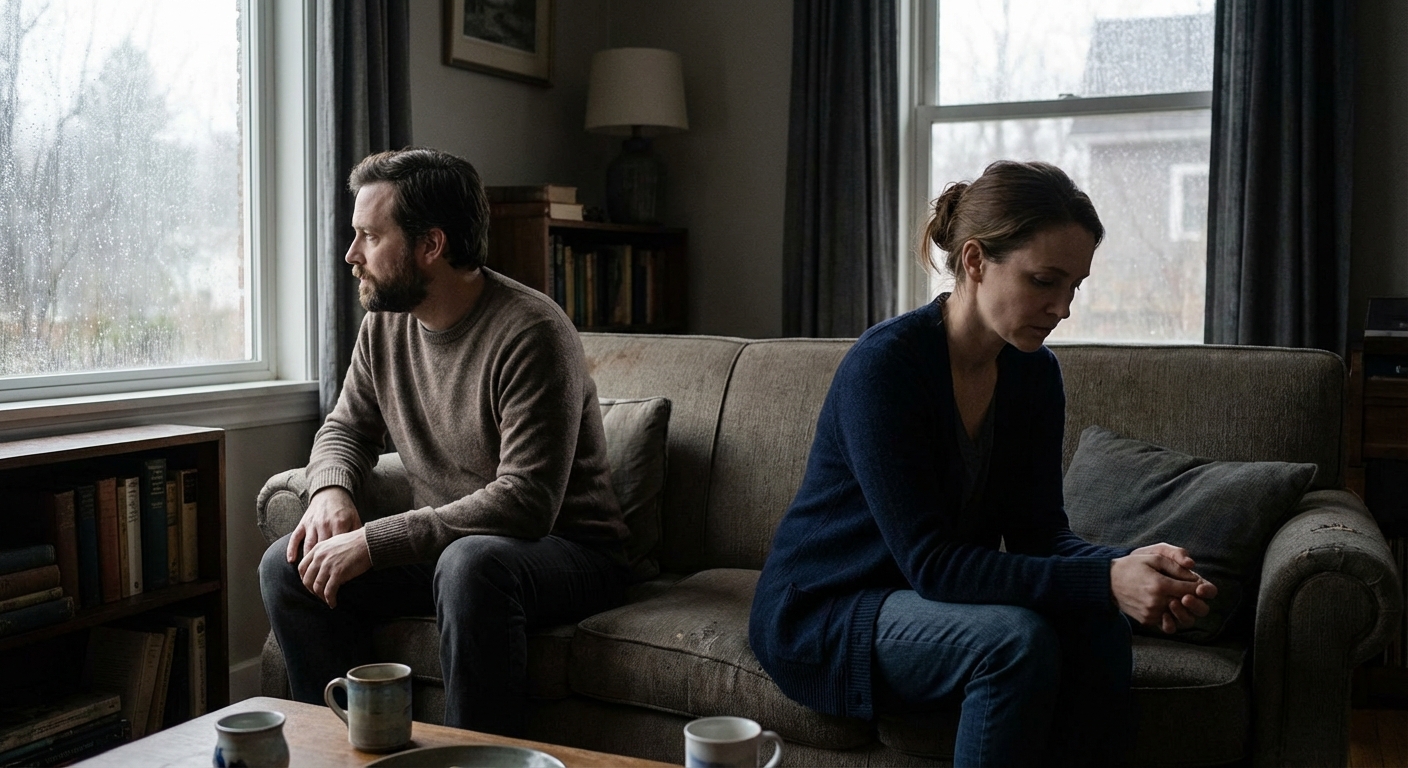
Your friend calls, and you can hear it in their voice before they say anything: something is wrong. They start to explain, the job didn’t come through, the relationship is ending, the diagnosis is worse than expected. And something in you immediately begins formulating responses. Advice to offer. Silver linings to point out. Similar experiences to share. Solutions to propose.
This impulse comes from love. You want to help. You want to ease their pain. You want to do something because watching someone you care about suffer while doing nothing feels unbearable. But in that moment of reaching for solutions, you may be missing what they actually need: someone who can simply be with them in their pain without rushing to fix it.
Holding space is one of those phrases that gets tossed around in wellness circles until it loses meaning. But at its core, it describes something profound and surprisingly rare: the ability to be fully present with another person’s experience without trying to change it, minimize it, or make it about yourself. It’s a form of presence that creates room for someone to feel whatever they’re feeling, process it at their own pace, and find their own way through.
Most of us never learned this skill. We were taught to problem-solve, to cheer up, to look on the bright side. Holding space requires unlearning those helpful impulses and trusting that your presence, unadorned by solutions, might be the most valuable thing you can offer.
What Holding Space Actually Means
The term “holding space” originated in birth work and hospice care, contexts where transformation is happening and there’s literally nothing to fix, only presence to offer. A midwife holds space for a laboring mother, creating safety and support while the mother does the work only she can do. A hospice worker holds space for a dying person and their family, offering presence during an experience that cannot be solved or improved.
But the concept extends far beyond these acute situations. Every time someone shares something vulnerable with you, every time a friend processes a difficult emotion in your presence, every time your partner needs to work through a problem out loud, there’s an opportunity to hold space. And in each of these moments, we face a choice: do we try to fix, or do we choose to witness?

Psychologist Carl Rogers, whose work on client-centered therapy transformed how we think about human connection, identified three conditions necessary for transformative presence: unconditional positive regard (accepting someone without judgment), empathy (genuinely understanding their inner experience), and congruence (being authentically yourself). These conditions, Rogers argued, create a relational space where people can access their own wisdom and find their own path forward.
Notice what’s missing from Rogers’s framework: advice. Problem-solving. Cheerleading. Reassurance. The healing happens not through what we give but through how we are. This is both liberating and terrifying, because it asks us to trust that our presence alone is valuable, that sitting with someone in their pain without trying to rescue them is an act of profound love rather than passive neglect.
Holding space requires what psychotherapists call “tolerating distress,” the ability to be present with difficult emotions without becoming overwhelmed by them or rushing to make them go away. This tolerance extends in two directions: we must be able to tolerate the other person’s distress without trying to fix it, and we must be able to tolerate our own discomfort at witnessing their pain without making the moment about us.
The Neuroscience of Presence
What happens in our brains when someone truly holds space for us? Research on co-regulation, the way our nervous systems influence each other in close proximity, offers some answers. When you’re with someone who is calm, grounded, and fully present, your own nervous system begins to settle. Your heart rate may slow. Your breathing deepens. The fight-or-flight activation that accompanies emotional distress begins to quiet.
This isn’t metaphorical. Studies using measures of heart rate variability and cortisol levels show that our physiological states are contagious, especially with people we trust. A parent’s calm presence literally regulates an infant’s nervous system. The same dynamics continue into adulthood, just more subtly. When someone holds space for you effectively, they’re offering their regulated nervous system as a kind of anchor that helps your own system find equilibrium.

The research of Stephen Porges on polyvagal theory adds another dimension. Our autonomic nervous system, Porges argues, is constantly scanning for safety cues in our environment and in the people around us. A person who is genuinely present, whose face is soft, whose voice is calm, whose body language is open, sends safety signals that help downregulate threat responses. Conversely, someone who is anxious to fix, eager to problem-solve, or uncomfortable with silence may inadvertently send signals that keep the threat response activated.
This is why the quality of presence matters more than the content of what you say. You can offer the most insightful advice in the world, but if you’re delivering it from an activated state, if your energy communicates “I need you to feel better so I can feel better,” the wisdom won’t land. Your friend’s nervous system will register threat rather than safety, and their defenses will stay up.
Understanding this neuroscience changes how we think about emotional support. Holding space isn’t passive. It’s an active offering of your regulated presence as a resource for another person’s regulation. It requires that you’ve done enough of your own work to remain grounded in the face of someone else’s distress. And it requires trusting your body’s wisdom about what calm, open presence actually feels like.
Why We Reach for Solutions Instead
If holding space is so valuable, why do so few of us do it naturally? Understanding the obstacles helps us work with them rather than judge ourselves for having them.
The most obvious obstacle is discomfort with powerlessness. We live in a culture that valorizes action, problem-solving, and productivity. Sitting with someone’s pain without doing anything about it can feel like failure, like we’re not being helpful, like we’re letting them down. The impulse to offer solutions is often an attempt to manage our own discomfort with not knowing what to do.

There’s also the matter of emotional contagion. When someone we love is suffering, we often absorb their emotional state. This is empathy in action, but without proper boundaries, it becomes overwhelming. We rush to fix because on some level we’re trying to fix our own vicarious distress. If they feel better, we’ll feel better. This motivation isn’t wrong or selfish; it’s human. But recognizing it helps us separate our needs from theirs.
Some of us learned early that our value lay in being helpful. Perhaps we grew up as the family problem-solver, the one who smoothed things over, the parentified child who managed adult emotions. For people with this history, sitting with distress without acting on it can trigger old anxieties about being useless, being rejected, being unloved. The impulse to fix isn’t just about the other person; it’s about maintaining a sense of self-worth tied to being needed.
Finally, there’s the discomfort of witnessing pain we can’t ease. When someone we love is hurting, part of us wants to take that pain away not because they need us to, but because it’s hard to watch. Accepting that some pain cannot be fixed, that some situations have no solutions, that sometimes people need to hurt for a while, requires a kind of faith in the human capacity for resilience that many of us struggle to maintain.
Learning to Hold Space for Others
If holding space doesn’t come naturally, how do we develop the capacity? The good news is that it’s a skill, not a trait. And like any skill, it can be practiced and strengthened.
The first step is becoming aware of your own patterns. Notice what happens in your body when someone shares something difficult. Do you tense up? Does your mind immediately start generating responses? Do you feel a pull to make things better? This awareness isn’t about judging yourself; it’s about creating enough space between stimulus and response that you can choose something different.
Practice what therapists call “attunement before intervention.” When someone shares something vulnerable, make your first response about understanding rather than helping. Reflect back what you’re hearing. Ask questions that invite them to go deeper rather than questions that lead toward solutions. “That sounds really hard” is often more valuable than “Have you tried…?” The goal is to ensure they feel heard before anything else.
Learn to tolerate silence. When someone is processing difficult emotions, silence isn’t emptiness; it’s space for integration. The urge to fill silences often comes from our own discomfort rather than from the other person’s needs. Practice letting silences extend a beat or two longer than feels comfortable. What happens in that space might surprise you.
Develop your capacity for uncertainty. Holding space means accepting that you don’t know the answer, that the other person might not find the answer today, that some problems don’t have answers. This requires what Zen practitioners call “beginner’s mind,” an openness to not-knowing that our fix-it culture rarely cultivates. Embracing uncertainty is uncomfortable, but it’s also where genuine connection becomes possible.

Finally, practice holding space in low-stakes situations before the high-stakes ones arrive. When a colleague vents about a frustrating meeting, practice listening fully before offering perspective. When a friend shares a minor disappointment, resist the urge to put a positive spin on it. These everyday moments are your training ground for the harder conversations.
Holding Space for Yourself
The most overlooked aspect of this practice is self-application. Can you hold space for yourself? Can you be present with your own difficult emotions without trying to fix them, minimize them, or distract from them? For many of us, the answer is no, and this internal pattern mirrors and reinforces our difficulty holding space for others.
Self-compassion researcher Kristin Neff identifies three components of treating yourself with kindness: self-kindness (being warm rather than critical toward yourself), common humanity (recognizing that struggle is part of shared human experience), and mindfulness (acknowledging painful feelings without over-identifying with them). All three of these are essentially about holding space for your own experience.
When difficult emotions arise, notice your habitual responses. Do you criticize yourself for having the feeling? Do you immediately try to fix it with food, distraction, or positive thinking? Do you compare your struggle to others’ and dismiss your own as less worthy of attention? These patterns prevent you from being fully present with your own experience, and they make it harder to be present with others’.
The practice of holding space for yourself might look like this: When a painful emotion arises, pause. Place a hand on your heart or another comforting gesture. Acknowledge what you’re feeling with words: “This is grief. This is disappointment. This is fear.” Remind yourself that this feeling is part of being human, that countless others have felt something similar, that you’re not alone in your experience. And then simply be with the feeling, not trying to change it, not analyzing it, just allowing it to be present while you offer yourself compassionate attention.
This internal practice has a reciprocal relationship with external holding space. As you become more able to be present with your own difficult emotions, you develop greater capacity to be present with others’. And as you practice holding space for others, you learn skills that transfer to self-compassion. The two reinforce each other, creating an expanding capacity for emotional presence in all directions.
The Gift of Being Witnessed
Why does holding space matter so much? What does it give the person on the receiving end that advice and solutions don’t?
At the deepest level, being held, being witnessed in our pain without judgment or agenda, communicates something our souls need to hear: you are not alone, and you are worthy of attention even when you’re struggling. This message counters one of our deepest fears, that we’re fundamentally alone with our experience, that others can’t truly understand, that our darkest moments make us unworthy of love.
Being held also offers something that solutions can’t: validation of our experience as real and worthy of acknowledgment. When someone immediately jumps to solutions, there’s an implicit message that the feeling shouldn’t be felt, that the goal is to move past it as quickly as possible. When someone simply witnesses, the message is that your experience matters and deserves time.
Perhaps most importantly, being held creates space for our own wisdom to emerge. When we’re in pain, our cognitive resources are often depleted. We can’t think clearly, can’t see options, can’t access our own knowing. A person who holds space offers the gift of their regulated presence, which helps our nervous system settle enough for our own thinking to come back online. The solutions they refrain from offering make room for solutions we discover ourselves.
Your Invitation
Learning to hold space is a lifelong practice, not a skill you master once and then have forever. Some days you’ll be able to sit with immense pain without flinching. Other days you’ll reach for solutions before you even realize what you’re doing. The goal isn’t perfection; it’s increasing your capacity gradually over time.
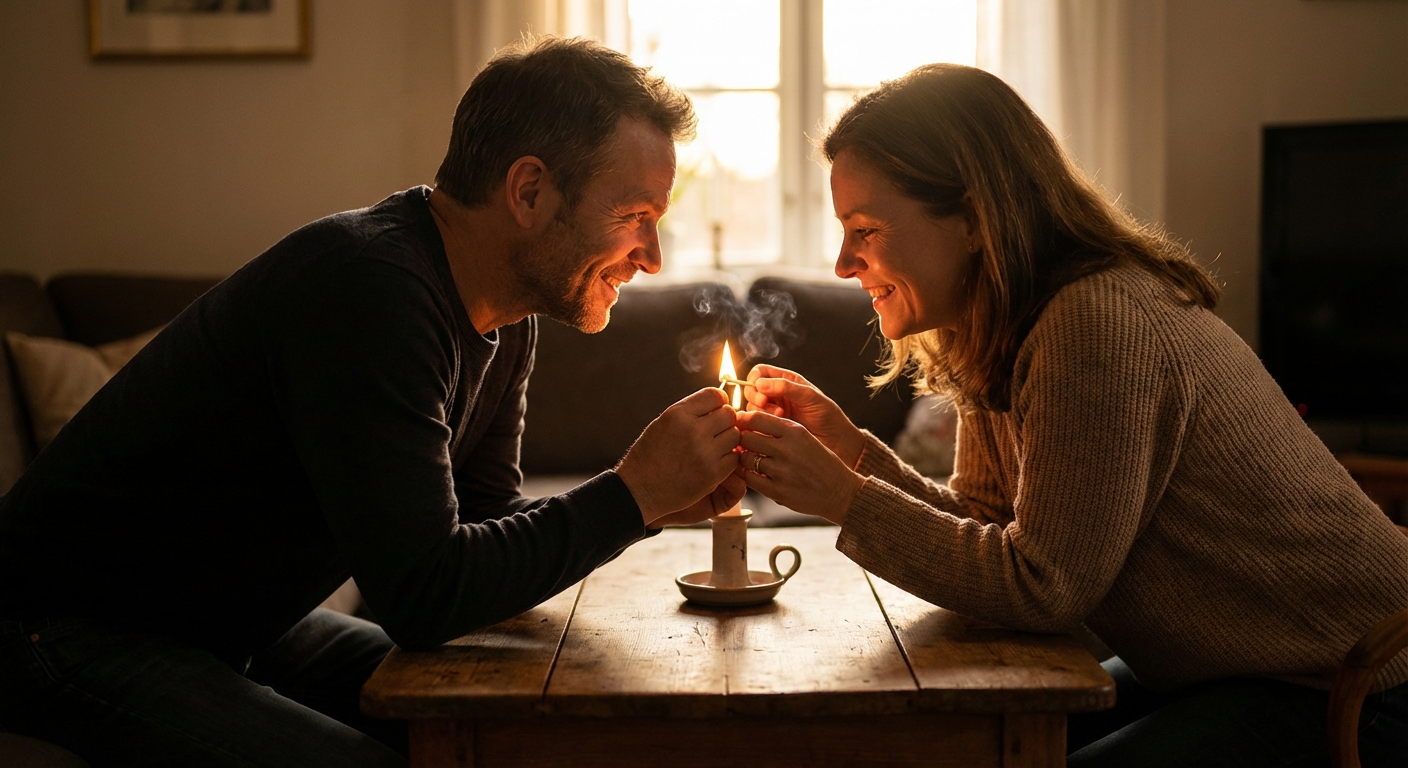
Start small. The next time someone shares something difficult, pause before responding. Take a breath. Ask yourself: what do they actually need right now? Often the answer is simpler and harder than we want it to be. They need you to stay. They need you to listen. They need you to trust that they’ll find their own way, while offering your presence as a companion on the journey.
This is one of the most valuable gifts you can offer another human being. And it requires only this: your attention, your presence, and your willingness to be with what is, without needing to change it. In a world that constantly pushes us toward action and improvement, choosing to simply be with someone may be the most revolutionary act of love available.
Sources: Carl Rogers on client-centered therapy and transformative presence, Stephen Porges polyvagal theory, research on co-regulation and nervous system attunement, Kristin Neff on self-compassion.