You know you’re supposed to be grateful. The holiday season, with its emphasis on thankfulness and blessing-counting, has been reminding you of this for weeks. The gratitude journals are everywhere. The social media posts about appreciation are endless. Family members keep asking what you’re thankful for, and you keep producing acceptable answers while something inside you tightens.
Here’s the thing nobody says out loud: sometimes gratitude practice feels like one more thing on the to-do list. One more performance. One more way you’re apparently failing at the basic human task of feeling the right feelings at the right time. If that resonates, you’re not ungrateful. You might be experiencing what therapists increasingly call gratitude fatigue, and it’s more common than the inspirational quote industry would have you believe.
The Difference Between Gratitude and Gratitude Performance
Genuine gratitude is one of the most well-researched interventions in positive psychology. A meta-analysis of 38 studies published in the Journal of Happiness Studies found that gratitude practices are associated with greater life satisfaction, better mental health, and fewer symptoms of anxiety and depression. The benefits are real, and they’re meaningful.
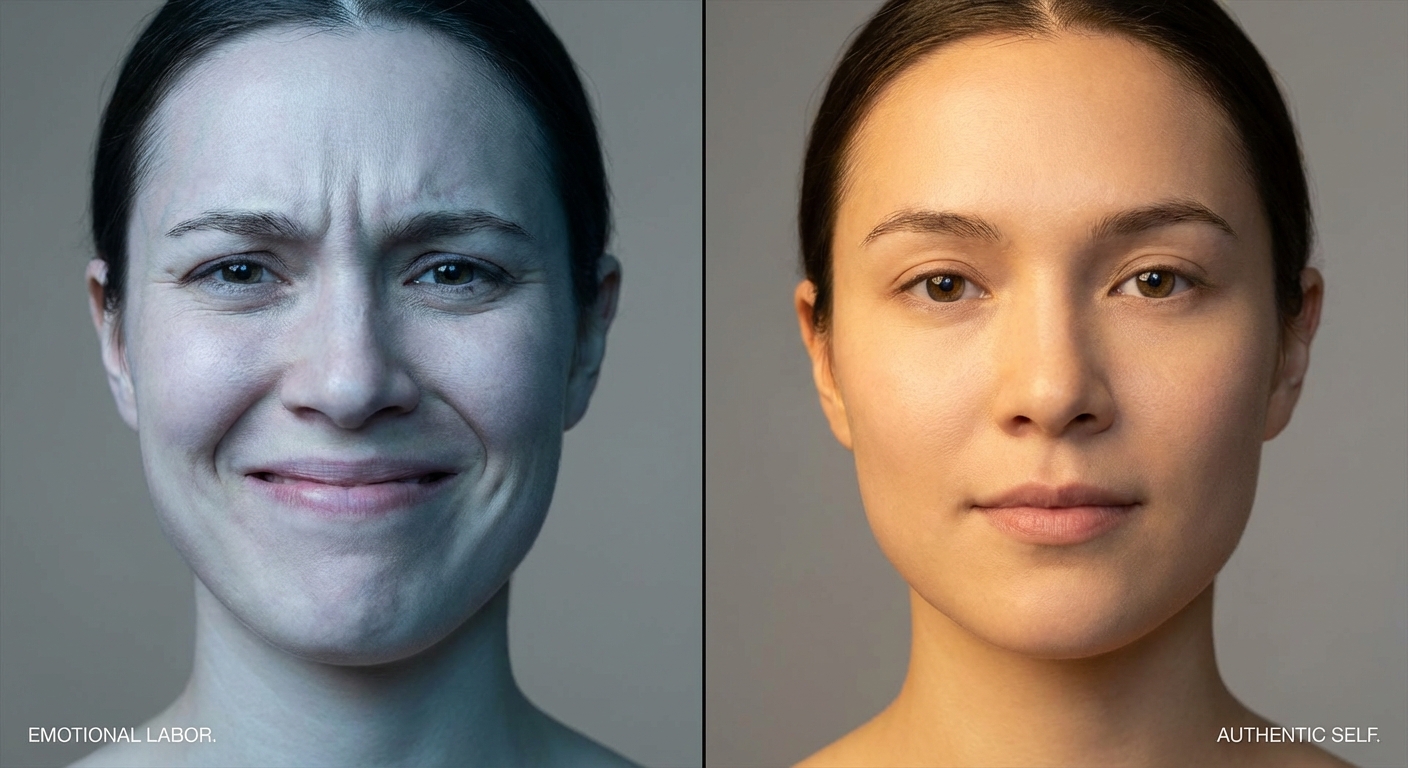
But there’s a crucial distinction that gets lost in the cultural conversation: gratitude only works when it’s authentic. Forced gratitude, the kind you perform because you’re supposed to, not only fails to produce the benefits, but can actually make things worse. When you pressure yourself to feel thankful while suppressing genuine emotions like sadness, frustration, or grief, you’re not practicing gratitude. You’re practicing emotional suppression with a gratitude-shaped mask.
Psychologists describe this as “toxic positivity” or “toxic gratitude,” the use of positive feelings as a tool for avoiding or invalidating difficult emotions. It sounds like “at least you have…” or “you should be grateful that…” or “other people have it worse.” These phrases, whether they come from others or your own inner voice, don’t inspire genuine thankfulness. They inspire guilt for not being thankful enough, which is the opposite of what gratitude is supposed to do.
Why the Holiday Season Amplifies the Problem
The holidays come pre-loaded with gratitude expectations. Thanksgiving explicitly centers thankfulness. Christmas and Hanukkah emphasize gifts and generosity. New Year’s encourages reflection on blessings received. For many people, this creates a perfect storm of pressure to perform positive emotions on demand.
The problem intensifies when your actual emotional experience doesn’t match the cultural script. If you’re grieving a loss, struggling with family relationships, feeling financial strain, or simply exhausted from the year, the demand to produce gratitude can feel like being asked to betray your own reality. You’re told to focus on what you have while you’re actually experiencing the weight of what’s missing, difficult, or painful.
Research on emotional suppression, most notably by psychologist James Gross at Stanford, shows that trying to push down negative emotions while performing positive ones increases physiological stress and depletes cognitive resources. In other words, forcing yourself to feel grateful when you don’t actually feel it requires effort that makes everything harder. It’s not a shortcut to feeling better. It’s an additional burden disguised as self-help.
Holding Both: Gratitude Alongside Other Feelings
Here’s what the research actually supports: you don’t have to choose between gratitude and grief, between thankfulness and struggle. Healthy emotional processing involves allowing multiple feelings to coexist rather than using one to cancel out another.
Self-compassion researcher Kristin Neff describes this as acknowledging “common humanity,” the recognition that difficult experiences are part of being human, not failures to transcend. Applied to gratitude, this means you can appreciate your warm house while also feeling sad about the family member who won’t be there this year. You can be thankful for your health while also feeling exhausted and depleted. Both things are true, and neither one invalidates the other.
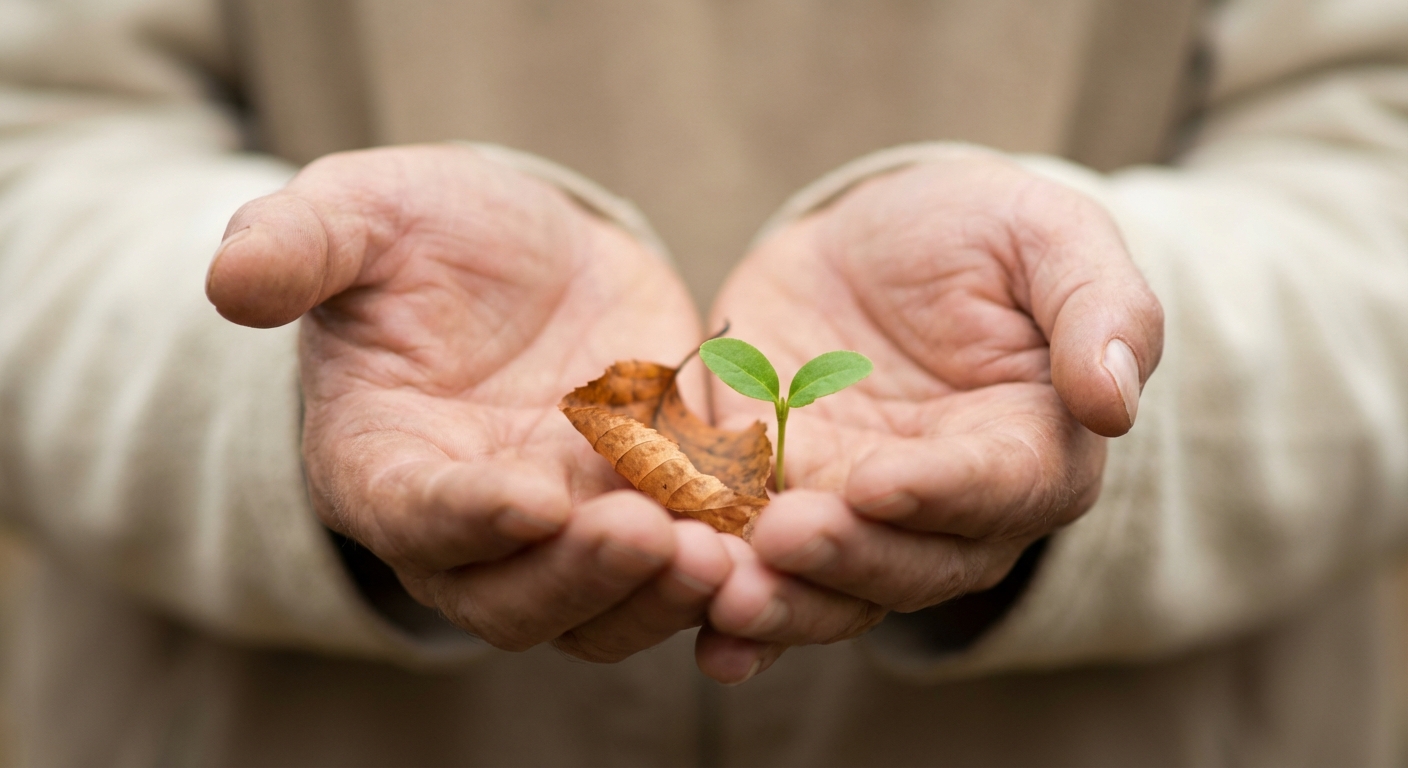
The shift is subtle but important: from “I should be grateful” (obligation, performance) to “I can notice what I appreciate while also acknowledging what’s hard” (integration, authenticity). This version of gratitude doesn’t require you to minimize your struggles or pretend things are fine when they’re not. It simply creates space for appreciation to exist alongside everything else you’re experiencing.
What Actually Helps
If forced gratitude isn’t working, and if you’re tired of feeling guilty about your inability to perform sufficient thankfulness, here are some approaches that might serve you better.
Stop trying to feel grateful. Seriously. If the practice is making you feel worse, take a break from it. Gratitude isn’t a moral obligation, and skipping your gratitude journal for a while won’t make you a bad person. Sometimes the most self-compassionate thing you can do is give yourself permission to not practice something that isn’t serving you right now.
Notice without forcing. Instead of trying to generate feelings of gratitude, simply notice moments of appreciation when they arise naturally. You don’t have to write them down or make them official. You don’t have to feel them intensely. Just acknowledging “that was nice” or “I’m glad that happened” is enough. The difference is that you’re observing what’s already there rather than trying to manufacture what isn’t.
Validate what’s actually present. Before you try to add gratitude to your emotional landscape, make sure you’ve acknowledged what’s already there. If you’re sad, let yourself be sad. If you’re frustrated, let yourself be frustrated. Emotions process more effectively when they’re validated rather than overwritten. You can practice gratitude after you’ve made room for everything else, not as a substitute for that room.
Shrink the practice. If you want to maintain some form of gratitude practice without the pressure, make it smaller. Instead of listing five things you’re grateful for, list one. Instead of journaling every day, do it once a week. Instead of trying to feel deep appreciation, settle for mild acknowledgment. Lower the bar until it’s something you can actually do without straining.
The Permission You Might Need
If gratitude feels like another item on your never-ending list of self-improvement requirements, here’s your permission to step back. The holiday season’s emphasis on thankfulness can become one more way we measure ourselves against impossible standards, one more way we tell ourselves we’re not quite doing life correctly.
But gratitude isn’t supposed to be a performance metric. It’s supposed to be a practice that increases wellbeing, and if it’s doing the opposite, something has gotten twisted. The practice should serve you, not the other way around.
Real gratitude often looks nothing like the Instagram version. It’s not necessarily a daily ritual or a beautiful journal or a meditation practice. Sometimes it’s just a fleeting moment when you notice something good and let yourself feel it for a second before moving on. Sometimes it doesn’t come at all, and that’s okay too.
Your Invitation
This week, give yourself permission to not be grateful. Not because gratitude is bad, but because forced gratitude is counterproductive, and you deserve better than emotional performance.
If appreciation arises naturally, welcome it. If it doesn’t, that’s information about where you are right now, not a verdict on your character. You can be a good person while feeling complicated things about the holidays. You can be worthy of love while struggling to produce the expected emotions on demand.
The best version of gratitude isn’t something you do to fix yourself. It’s something that emerges when you stop treating your feelings as problems to be solved. And sometimes, the most grateful thing you can do is be honest about exactly where you are, even if where you are doesn’t fit on a gratitude list.
Sources: Journal of Happiness Studies, James Gross’s research on emotional suppression, Kristin Neff’s self-compassion research.