
Your partner left a glass of water on your nightstand. Your friend remembered you had a big presentation and sent a “thinking of you” text. Your colleague held the elevator when they saw you rushing. None of these moments felt life-changing in the moment, yet somehow, when you think about the people you trust most, these are exactly the kinds of things you remember.
We tend to think relationships are built or broken in the big moments: the fights, the proposals, the betrayals, the grand gestures. But research from The Gottman Institute tells a different story. After studying thousands of couples over four decades, relationship scientists discovered that what predicts relationship success isn’t the dramatic moments. It’s the accumulation of tiny ones.
The Relationship Bank Account
Dr. John Gottman uses a powerful metaphor to explain what keeps relationships healthy: the emotional bank account. Every interaction between two people is either a deposit or a withdrawal. Grand gestures are like one-time bonuses, nice when they happen but unreliable. Small, consistent kindnesses are the steady income that builds real wealth over time.
The math is compelling. Gottman’s research found that stable, happy couples have a ratio of at least five positive interactions for every negative one. That’s not five grand romantic evenings; it’s five moments of turning toward your partner when they bid for your attention. A smile across the room. Asking about their day and actually listening. Noticing they seem tired and offering to handle dinner.
What makes this finding transformative is its accessibility. You don’t need to plan elaborate date nights or remember every anniversary with a perfect gift. You need to show up in the unremarkable Tuesday moments, the ones that don’t seem to count but actually count the most.
Why Tiny Kindnesses Hit Different
There’s something about unexpected small kindnesses that creates disproportionate emotional impact. Behavioral scientists call this the “surprise bonus effect.” When someone does something nice that we didn’t expect or ask for, we attribute it to their character rather than to obligation or circumstance. We think, “They did this because they wanted to,” and that interpretation deepens trust.
Consider the difference between receiving flowers on Valentine’s Day versus receiving them on a random Wednesday. The Valentine’s flowers are expected; the Wednesday flowers signal that you crossed someone’s mind when you didn’t have to. The gesture is identical, but the meaning we assign is completely different.
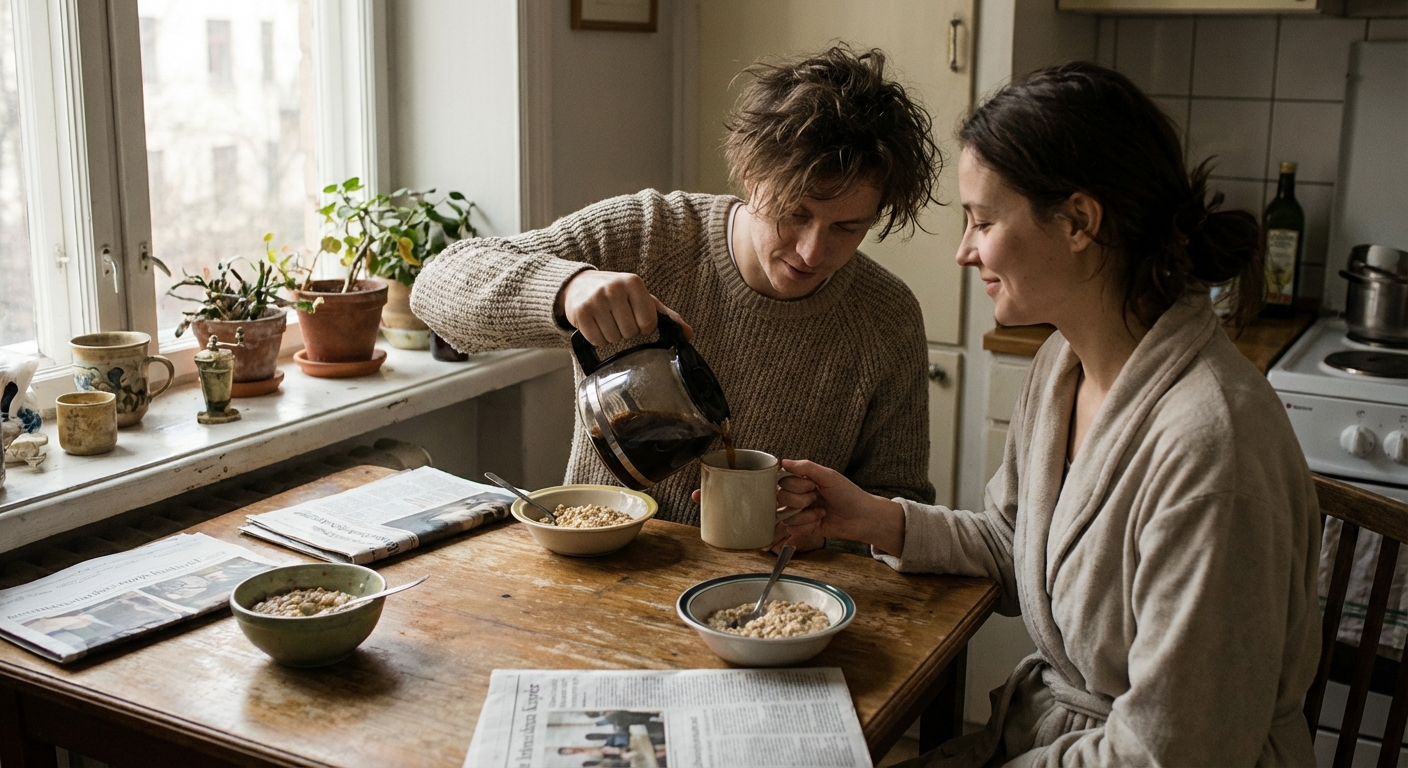
This explains why the most beloved people in our lives aren’t usually the ones who come through only in crises. They’re the ones who notice our small struggles and respond without being asked. They remember we mentioned being stressed about a deadline. They know our coffee order. They text when they see something that reminds them of us. These micro-connections accumulate into something that feels like home.
The Noticing Practice
The barrier to tiny kindnesses isn’t usually willingness; it’s attention. We’re often so caught up in our own internal monologue that we miss the opportunities right in front of us. The colleague who looks exhausted. The partner who sighs while scrolling their phone. The friend who mentions, in passing, that they’ve had a rough week.
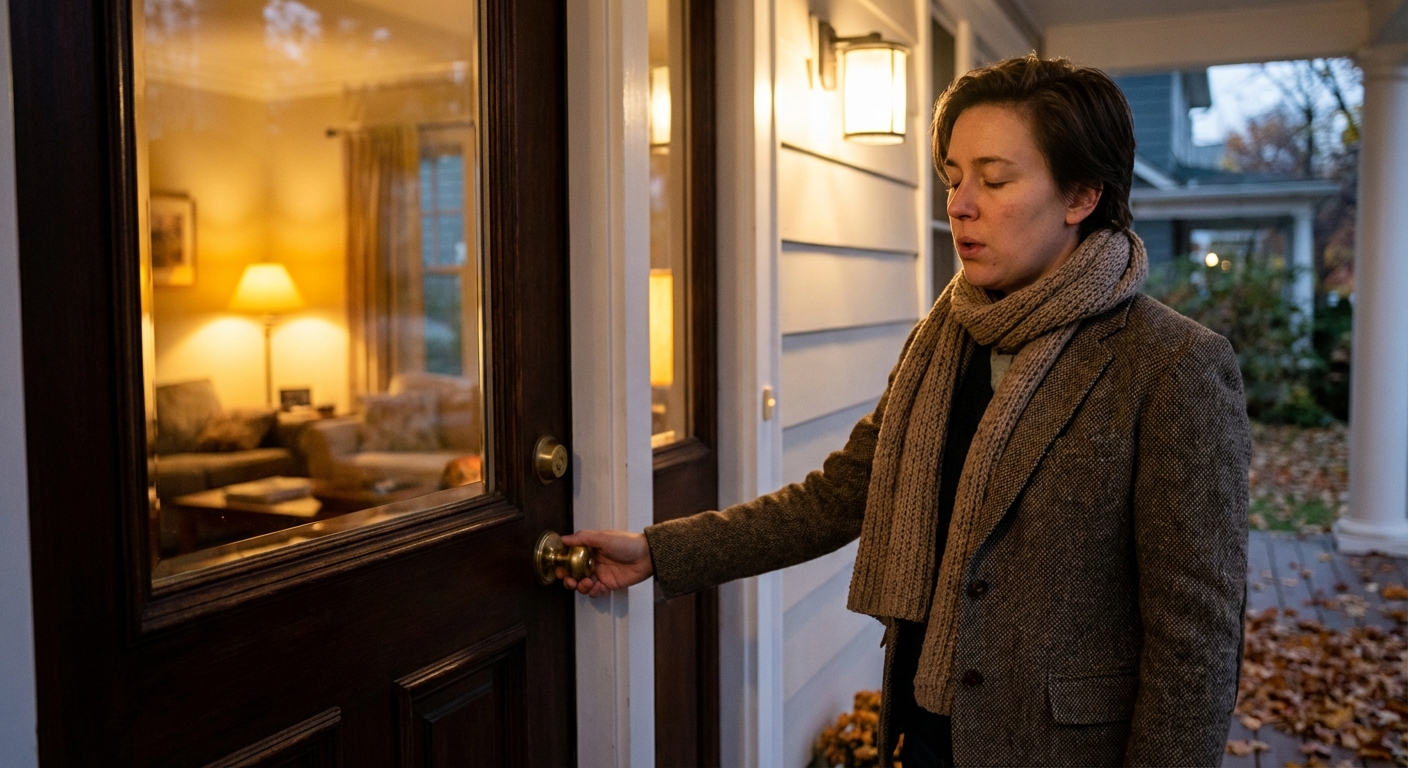
Building a practice of noticing doesn’t require personality transplant. It requires intention. Before you walk into your home after work, pause for three seconds. Take a breath. Look at the person you’re greeting as if you’re actually curious about how they’re doing. That tiny reset shifts you from autopilot to present, and presence is where kindness lives.
The same principle applies to digital interactions. Before you respond to a text, consider whether there’s something you know about this person’s life that deserves acknowledgment. Did they mention something stressful? Did they celebrate something? People tell us all the time what they need, in small comments we often don’t register. Slowing down enough to hear them is itself an act of kindness.
Making It Stick Without Making It Work
Here’s where most advice about being kinder falls apart: it turns kindness into another item on the to-do list. “Remember to be thoughtful!” adds pressure to already overwhelming days, and pressure is the enemy of genuine care.
The alternative is designing your environment to make kindness easier. Keep a stash of stamps and cards in your desk drawer, so when you think of someone, writing a quick note takes two minutes instead of requiring a trip to the store. Set a weekly reminder to text one person you haven’t connected with in a while. Create a shared album with your partner where you drop photos that made you think of them. These systems aren’t less meaningful because they’re structured; they’re more likely to happen because they’re structured. Our guide to maintaining adult friendships offers more strategies for keeping connection alive when life gets busy.
The Gottman Institute’s research on “stress-reducing conversations” offers another low-friction approach. When your partner comes home stressed, your job isn’t to solve their problem. It’s to listen, ask questions, and take their side. That’s it. No advice unless they ask. No minimizing or silver-lining. Just presence and partnership. It takes the same amount of time as your usual conversation, but the impact compounds.
The Receiving Side Matters Too
Kindness is a two-way street, and we don’t talk enough about the receiving side. When someone does something small and thoughtful for you, how you respond shapes whether they’ll do it again. Brushing off a kindness with “you didn’t have to do that” or failing to acknowledge it at all sends a signal: this didn’t matter.
Receiving well means pausing to actually feel the gesture before responding. It means saying “thank you” like you mean it, and being specific about what you’re thanking them for. “Thank you for remembering I had that meeting today” lands differently than a quick “thanks.” It shows that you noticed them noticing you. Understanding how different people give and receive care, beyond the traditional love languages framework, helps you recognize kindness in all its forms.
This creates a virtuous cycle. When people feel their kindness is received and appreciated, they’re motivated to continue. When kindness is met with dismissal or indifference, it quietly fades. The quality of your receiving is as important as the quality of your giving.

Your Invitation
The relationships you want don’t require dramatic reinvention. They’re built in the moments you’re already living, if you’re willing to inhabit them differently.
Start small. This week, notice one opportunity each day to make a tiny deposit in someone’s emotional bank account. It might be remembering to ask your coworker about their kid’s soccer game. It might be putting your phone away when your partner starts talking. It might be texting an old friend to say you were thinking of them.
None of these will feel significant in the moment. That’s the point. The compound effect of kindness, like the compound effect of interest, only reveals itself over time. But when you look back months or years from now, these small moments will be the foundation of something that feels like home.
Sources: The Gottman Institute research on relationship dynamics, Dr. John Gottman’s emotional bank account concept, behavioral science research on the surprise bonus effect.