You know that feeling when you leave an unexpectedly generous tip, or buy coffee for the stranger behind you in line, or quietly help a neighbor without being asked? There’s a warmth that spreads through your chest, a subtle lift in your mood that seems disproportionate to the small act. You might even feel a little guilty about how good it makes you feel.
Here’s the thing: that good feeling isn’t a glitch in your moral circuitry. It’s a feature. And the more researchers study generosity, the more they’re discovering that helping others might be one of the most reliably selfish things you can do.
The Science Behind the Helper’s High
When psychologist Abigail Marsh at Georgetown University studies altruism, she’s not looking for saints. She’s looking at brain activity. What she’s found challenges our assumptions about selflessness: “We experience vicarious pleasure from helping,” she explains. “Literally a little echo, or simulation, of the happiness we see in others.”
This isn’t just metaphor. Brain imaging studies show that when we give to others, reward centers in the brain light up in ways similar to when we receive gifts ourselves. The ventral striatum, a region associated with pleasure and reward, activates whether you’re the one getting helped or the one doing the helping. Your brain, it turns out, doesn’t draw a hard line between your happiness and someone else’s.
This neurological response helps explain why generosity feels good even when no one is watching. Anonymous giving activates the same reward pathways as public acts of kindness. The satisfaction isn’t about recognition or reciprocity; it’s baked into the act itself.
Beyond Warm Fuzzies: What Generosity Does to Your Brain
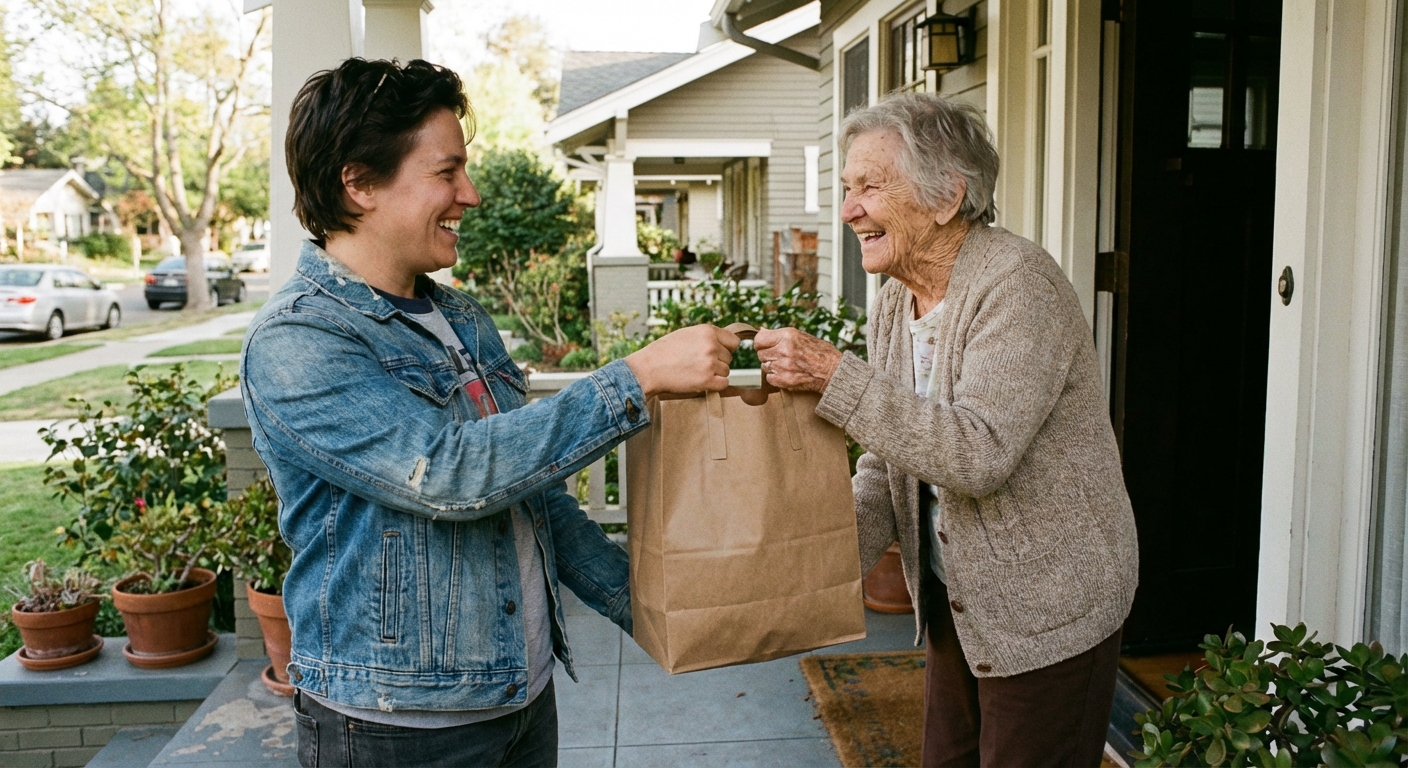
The short-term mood boost is nice, but the long-term effects are what researchers find most compelling. A January 2026 study found that people who spent just a few hours a week helping others, whether through formal volunteering or informal acts like helping neighbors, showed noticeably slower cognitive decline over time.
This isn’t about becoming a full-time volunteer. The research suggests that even modest, consistent acts of generosity create a protective effect on brain health. The mechanism isn’t fully understood, but researchers believe it involves multiple pathways: reduced stress hormones, increased social connection, enhanced sense of purpose, and the cognitive engagement that comes from attending to others’ needs.
There’s also evidence that generosity influences longevity. Studies tracking older adults over several years have found that those who provide support to others, not just receive it, tend to live longer. The act of giving seems to matter as much as, or more than, the act of receiving.
Self-Determination Theory, developed by psychologists Edward Deci and Richard Ryan, offers one explanation. The theory identifies three core psychological needs: autonomy, competence, and relatedness. Helping others satisfies all three. You choose to help (autonomy), you’re capable of making a difference (competence), and you connect with another person (relatedness). Few activities hit all three needs so efficiently.
The Right Kind of Giving
Before you start signing up for every volunteer opportunity in your zip code, a caveat: not all giving is created equal. Research distinguishes between generosity that restores us and generosity that depletes us.
The difference often comes down to motivation and boundaries. Giving that’s driven by guilt, obligation, or the need for approval tends to backfire. You might technically be helping, but the underlying resentment or exhaustion undermines the benefits. This is particularly true for people who struggle with people-pleasing patterns or codependency.

Sustainable generosity requires what researchers call “autonomous motivation,” helping because you genuinely want to, not because you feel you should. This doesn’t mean waiting until you feel perfectly generous before helping anyone. It means being honest with yourself about your capacity and choosing acts of giving that feel aligned with your values rather than performed for others’ approval.
The research also suggests that variety matters. Doing the same volunteer task every week can become routine, losing some of its psychological benefits. Mixing up how you help, trying different forms of generosity, or helping different people tends to sustain the positive effects longer.
Your Invitation: Small Acts That Count
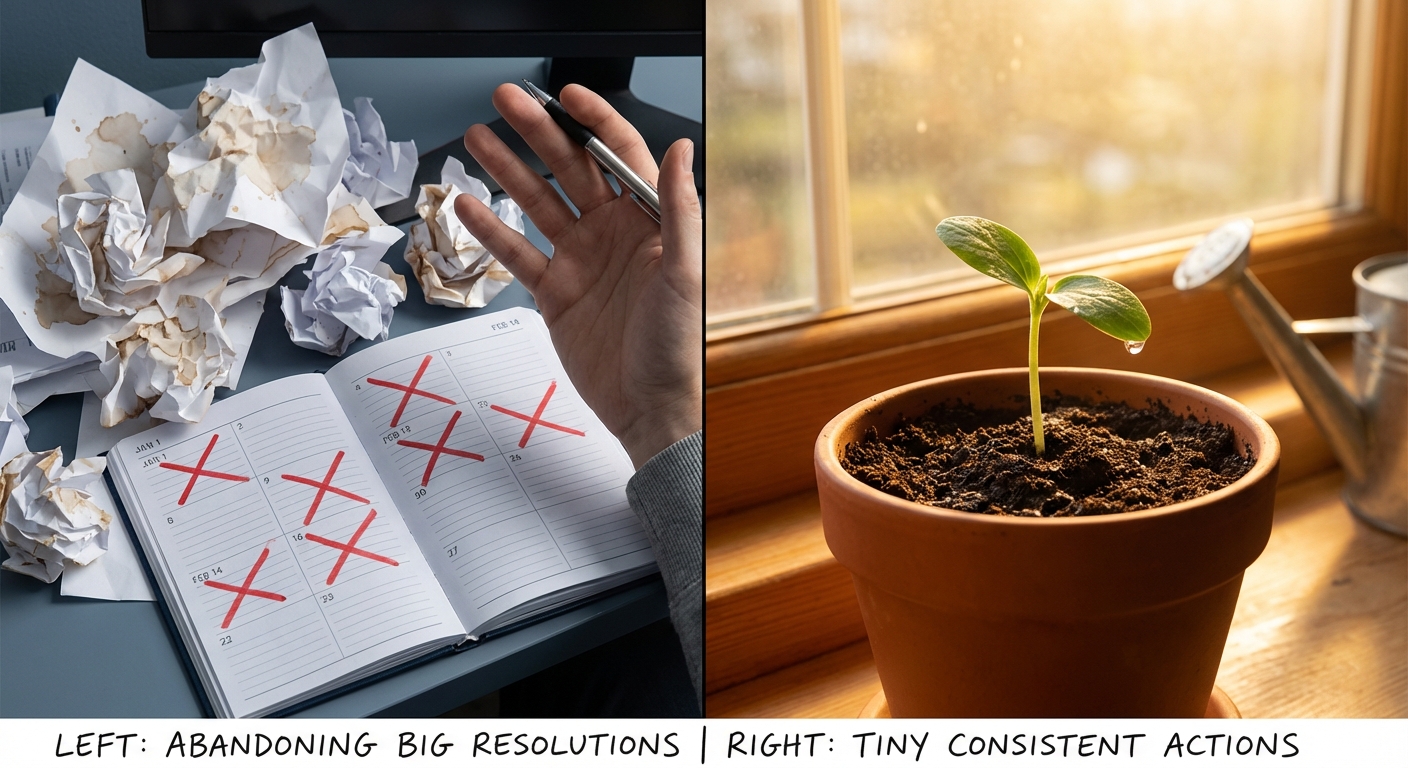
You don’t need to reorganize your life around generosity. The research suggests that small, consistent acts work as well as or better than sporadic grand gestures. Here are three approaches backed by what we know about how giving benefits the giver:
The micro-generosity practice. Once a day, do one small thing for someone without being asked. It could be as simple as sending an encouraging text, letting someone merge in traffic, or complimenting a stranger. The key is consistency, not magnitude. Five minutes daily adds up to more than one afternoon of volunteering monthly.
The skill-based gift. Think about what you’re good at, something that comes easily to you but might be difficult for others. Offering that skill, whether it’s tech help for an older relative, proofreading a friend’s resume, or teaching a neighbor to cook, creates a particular kind of satisfaction because it combines generosity with competence.
The anonymous act. Try giving without anyone knowing. Pay for someone’s coffee without revealing yourself. Leave a kind note where someone will find it. Donate to a cause without announcing it. Anonymous generosity strips away any social performance and helps you connect with the intrinsic pleasure of helping.
If you’re feeling depleted, start smaller than you think you should. Even holding the door for someone or offering genuine thanks to a service worker counts. The goal isn’t to become a giving machine. It’s to notice how these small acts affect you, to pay attention to the subtle lift that comes from turning your attention outward.
The generosity paradox isn’t really a paradox at all. It’s a reminder that human flourishing isn’t zero-sum. When you help someone else, something in you is helped too. That’s not hypocrisy. That’s how we’re designed. And in a world that often feels transactional, there’s something quietly revolutionary about an act that benefits everyone involved.