You can't create more time, but you can manage your energy. Here's how to work with your natural rhythms instead of against them.



You can't create more time, but you can manage your energy. Here's how to work with your natural rhythms instead of against them.

In a world obsessed with hustle, rest isn't laziness, it's resistance. Here's why doing nothing is the most radical thing you can do.

Goals get you excited, but systems get you results. Here's how to build autopilot success into your daily life.
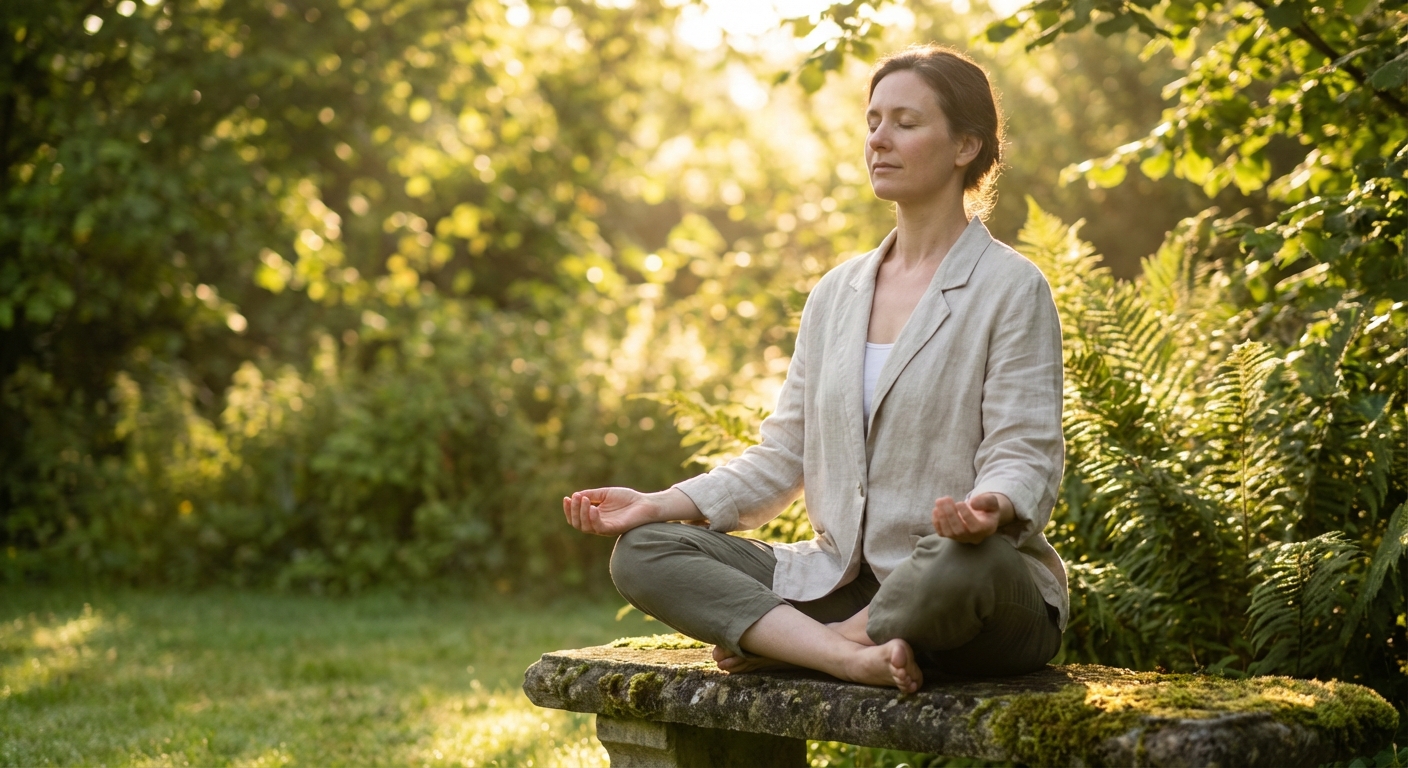
Your breath is the fastest way to shift your nervous system, and you have access to it anytime, anywhere.
Your 40s, 50s, and beyond aren't the end of your career story. They might be the beginning of your best chapter.

Self-improvement culture promised fulfillment but delivered exhaustion. What if you're already enough?

Boundaries aren't walls, they're invitations to authentic connection. Here's how to set them with love, not apology.
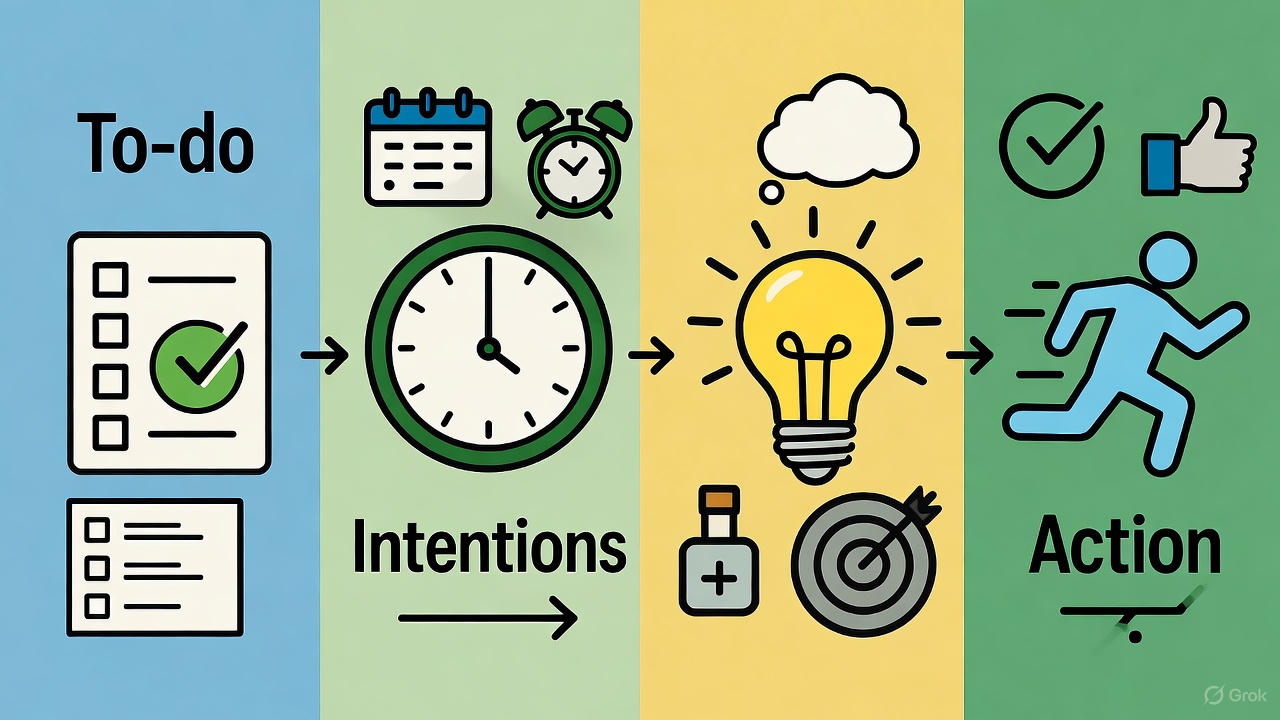
If your to-do list never ends, it's time to try time blocking, the simple system that turns intentions into action.
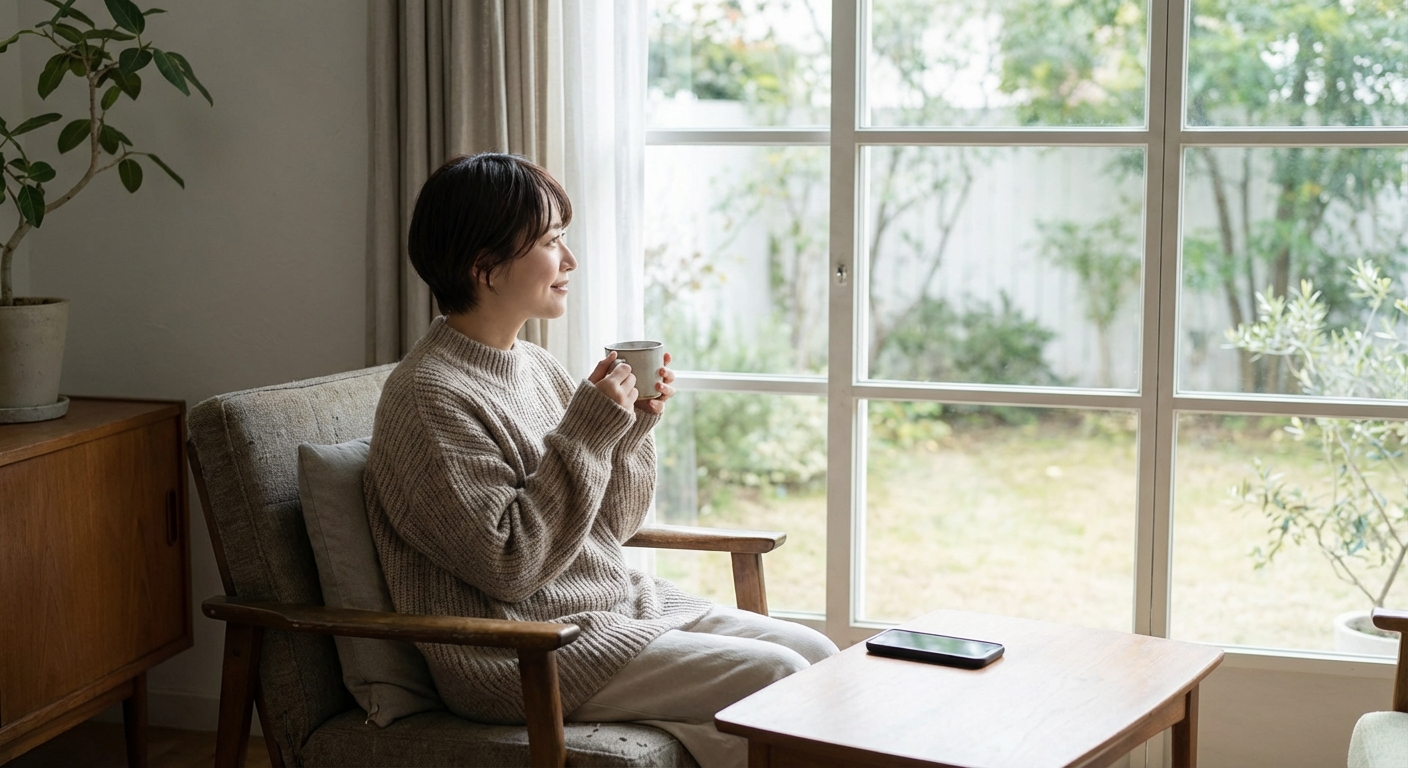
Our attention is under siege, but presence isn't lost, it's just buried. Here's how to reclaim it.

How you end your week determines how you start the next one. Here's the Sunday ritual that sets you up for success.

You know your love language, but do you know your conflict style, attachment pattern, and care language? Let's go deeper.

Between stimulus and response is a space, and in that space is your power. Here's how to find it.