Research reveals that how we end things shapes how we feel about what comes next. Here's the science of closing chapters with intention.



Research reveals that how we end things shapes how we feel about what comes next. Here's the science of closing chapters with intention.

Your attention doesn't switch cleanly between tasks. Research reveals the invisible drag that fragments your focus and what to do about it.

Once considered a psychological problem, nostalgia turns out to be a resource for wellbeing. Research reveals how remembering the past can improve your present.

Your emotions aren't entirely your own. Research reveals how moods spread through relationships, and what you can do to protect your inner climate.

Research reveals that people who settle for 'good enough' are happier, less stressed, and more successful than those hunting for the perfect option.

When you commit to a path before exploring who you are, you might succeed at a life that was never meant to be yours.

If 'just be thankful' makes you feel worse, you're not ungrateful. You might be experiencing gratitude fatigue. Here's what actually helps.

That empty feeling after the holidays isn't weakness. It's psychology. Here's what's actually happening and how to navigate it.
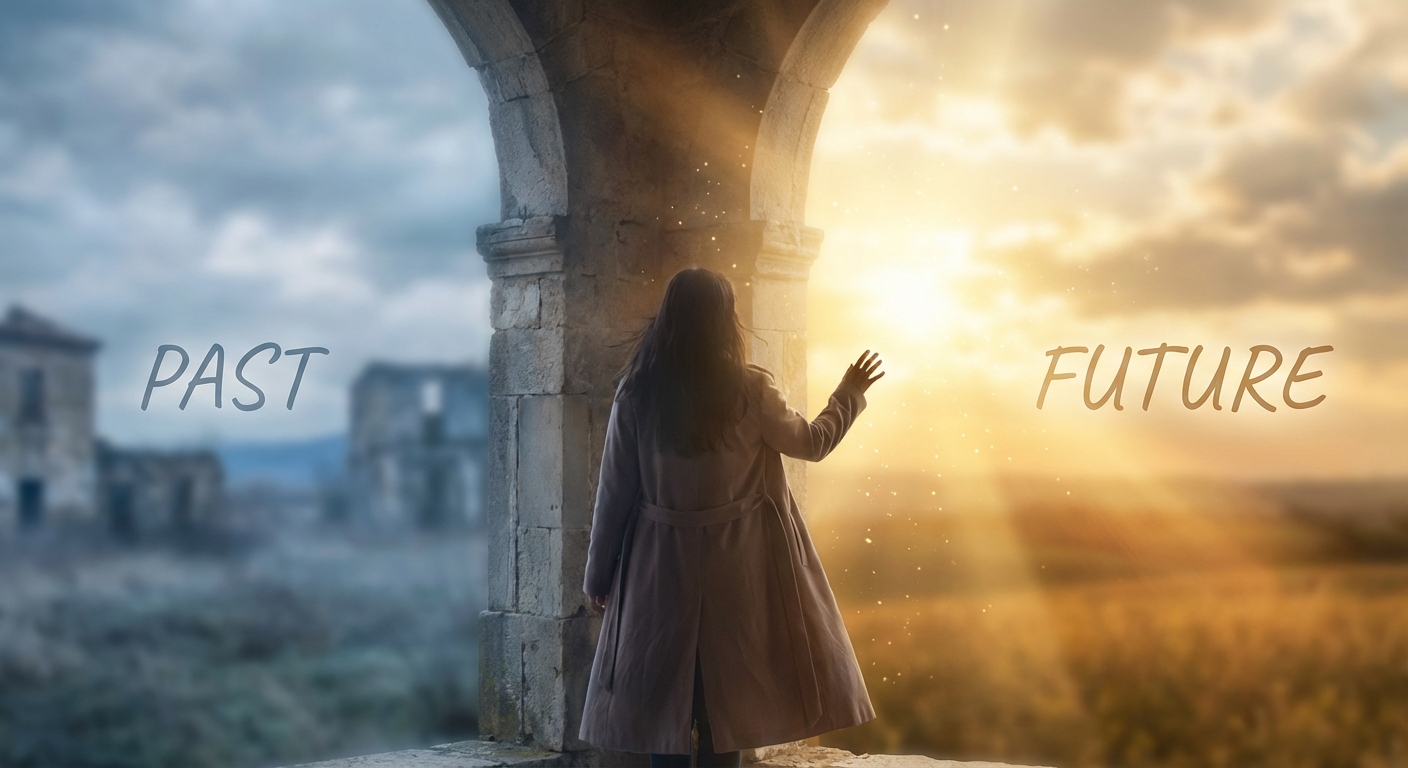
Behavioral science reveals that temporal landmarks like the winter solstice can be more powerful than New Year's for sparking real change.

New research reveals that meaningful work explains nearly half of resilience's mental health benefits. Here's what that means for your career.
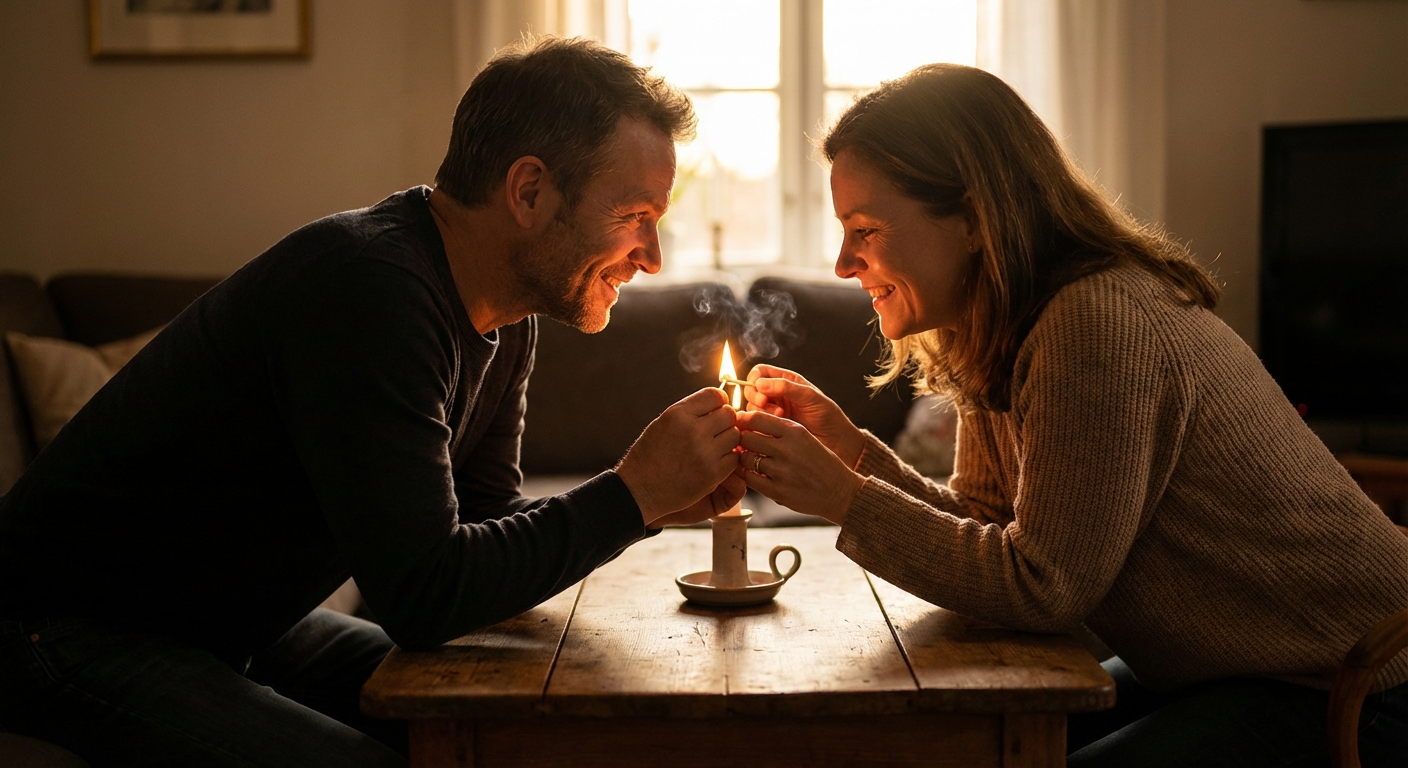
Research reveals that rituals aren't just cultural traditions. They're psychological tools that build trust, belonging, and lasting bonds.
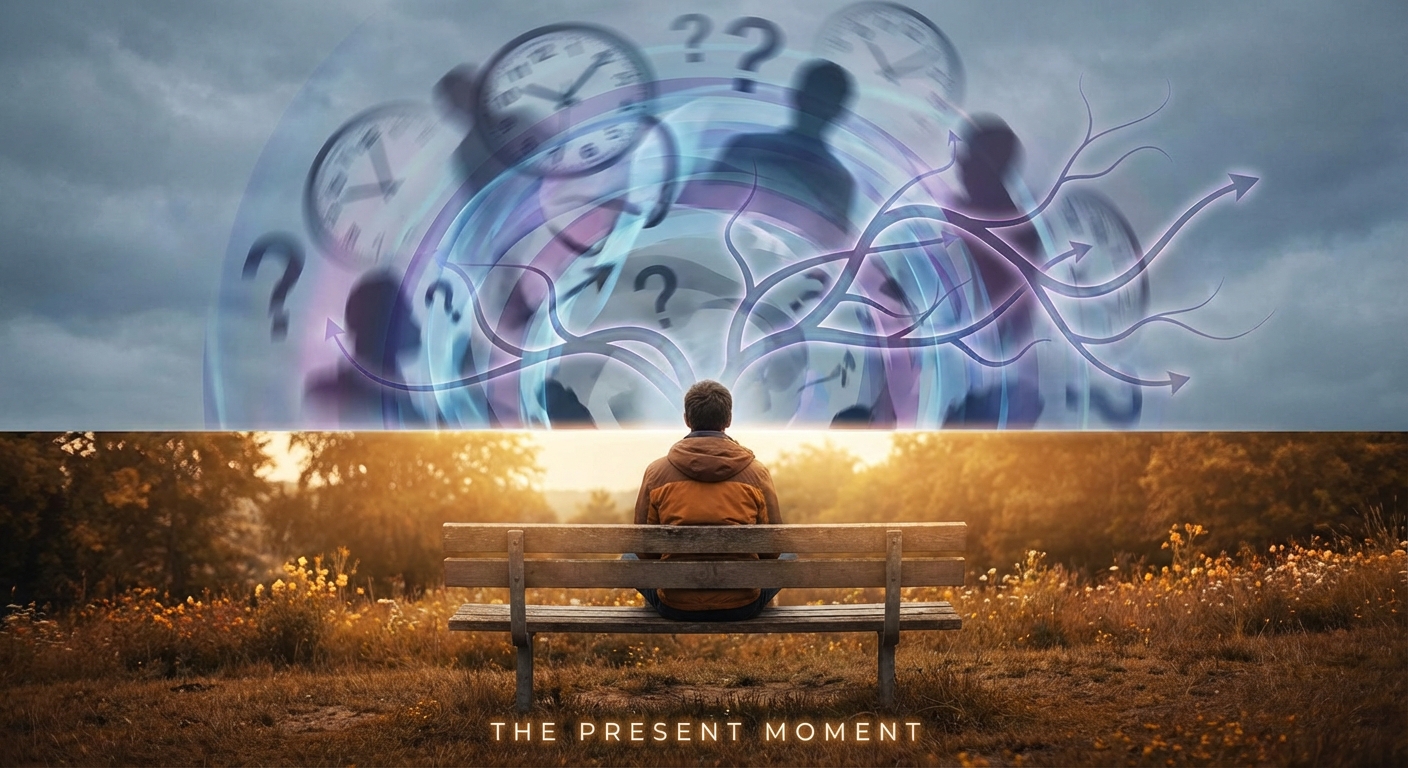
Your brain treats imagined threats like real ones. Here's what psychology tells us about breaking free from the worry loop.